The Power of Visual Storytelling in Contemporary Art
The Power of Visual Storytelling in Contemporary Art
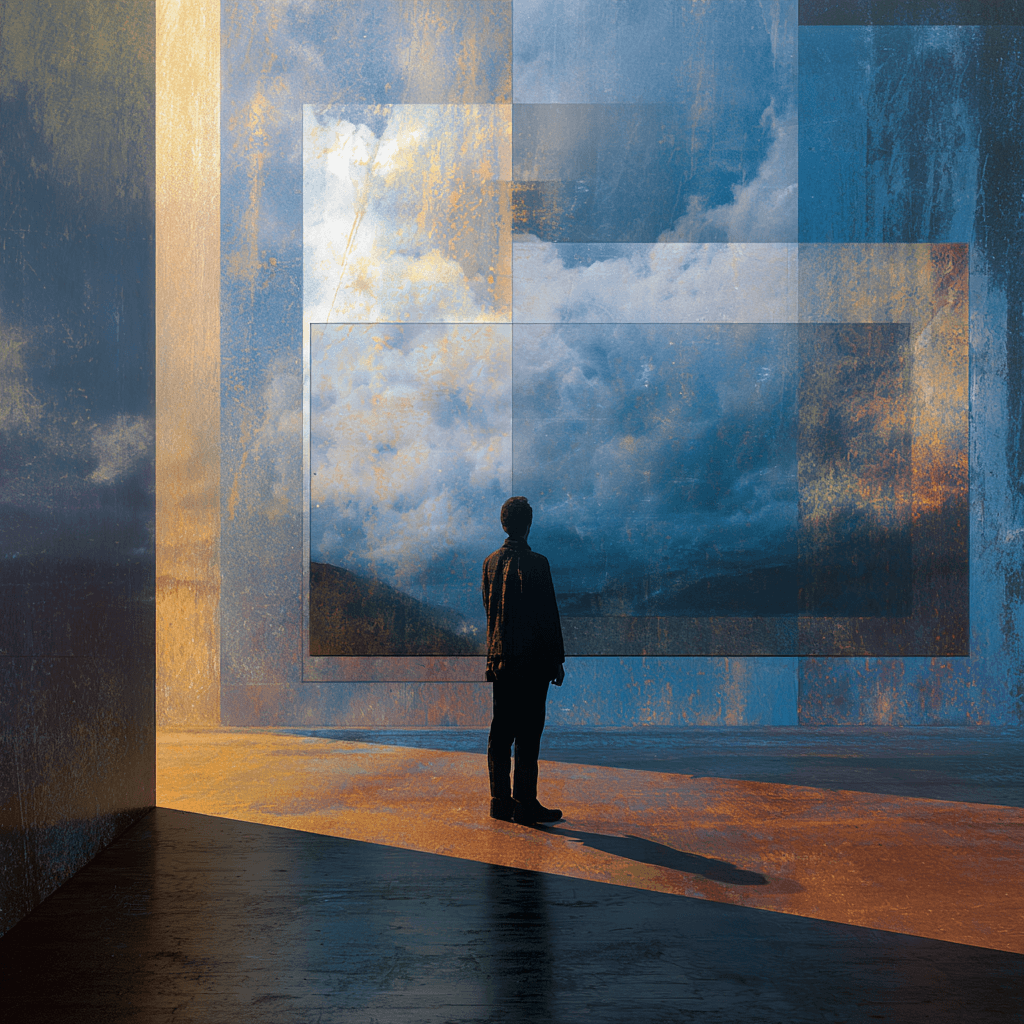
Contemporary art does not always ask to be understood immediately. Often, it asks first to be felt. This is where visual storytelling becomes essential. It allows an artwork to move beyond surface beauty or concept alone and enter the deeper territory of emotion, memory, and interpretation.
Visual storytelling is not limited to narrative in the traditional sense. It does not require a beginning, a middle, and an end. In contemporary art, storytelling can emerge through atmosphere, symbolism, gesture, repetition, absence, or tension. A single image can suggest an entire interior world.
What gives an artwork narrative force is not always what it shows, but what it implies. A shadow on a wall, a turned back, an unfinished gesture, an object placed out of context these fragments can activate imagination far more powerfully than literal explanation. The viewer becomes part of the story by completing it inwardly.
This participatory quality is one of the great strengths of visual art today. In a time saturated with explicit messages and continuous digital noise, ambiguity can be radical. A work that resists instant decoding asks for time. It slows perception. It restores the act of looking.
Photography, painting, installation, fashion image-making, and mixed media all draw from this narrative energy. Each medium uses different tools, but the principle remains similar: composition, color, rhythm, scale, and silence all contribute to meaning.
Contemporary artists are also increasingly working across disciplines, borrowing cinematic language, editorial aesthetics, archival references, and digital textures. As these vocabularies converge, storytelling becomes more layered. The artwork is no longer fixed in one visual tradition. It becomes hybrid, porous, and open-ended.
Perhaps this is why strong visual storytelling continues to resonate so deeply. It reflects the complexity of contemporary experience itself. Identity is layered. Memory is fragmented. Emotion is not linear. The most compelling artworks do not simplify these realities. They give them form.
In the end, visual storytelling in contemporary art is not about giving the viewer all the answers. It is about creating a space charged enough to provoke a question, intimate enough to awaken a memory, and precise enough to leave a trace.
That trace is often what remains long after the image disappears from view. It is the silent afterlife of the artwork and the true power of visual storytelling.
How It Works
From registration to jury review, discover the creative journey behind your AVA participation.
Choose Your Plan
Choose either a one-time participation pack or a monthly subscription: Spotlight, Signature, or Prestige.
Create Your Account
Register your AVA account and access your personal member space to manage your profile and submissions.
Secure Payment
Your payment is processed through a secure system. Once confirmed, your submission credits are automatically added to your account.
Upload Your Photos
Submit your images according to your available credits and make sure your files follow the AVA contest guidelines.
Jury Review
Finalist works are reviewed anonymously by the AVA jury panel and evaluated for artistic vision, creativity, impact, and technical quality.
Results & Notification
Selected artists and winners are contacted according to the official contest calendar and may receive recognition, publication, and prize-related communication.

Comments are closed.