
Street Photography and the Pulse of the City
Street Photography and the Pulse of the City
Street photography is one of the most immediate and instinctive forms of image-making. It unfolds in public space, in movement, in unpredictability, and in the constant tension between what is seen and what disappears a second later. The city offers no pause, no repetition, and no guarantee. That is precisely what gives street photography its energy.
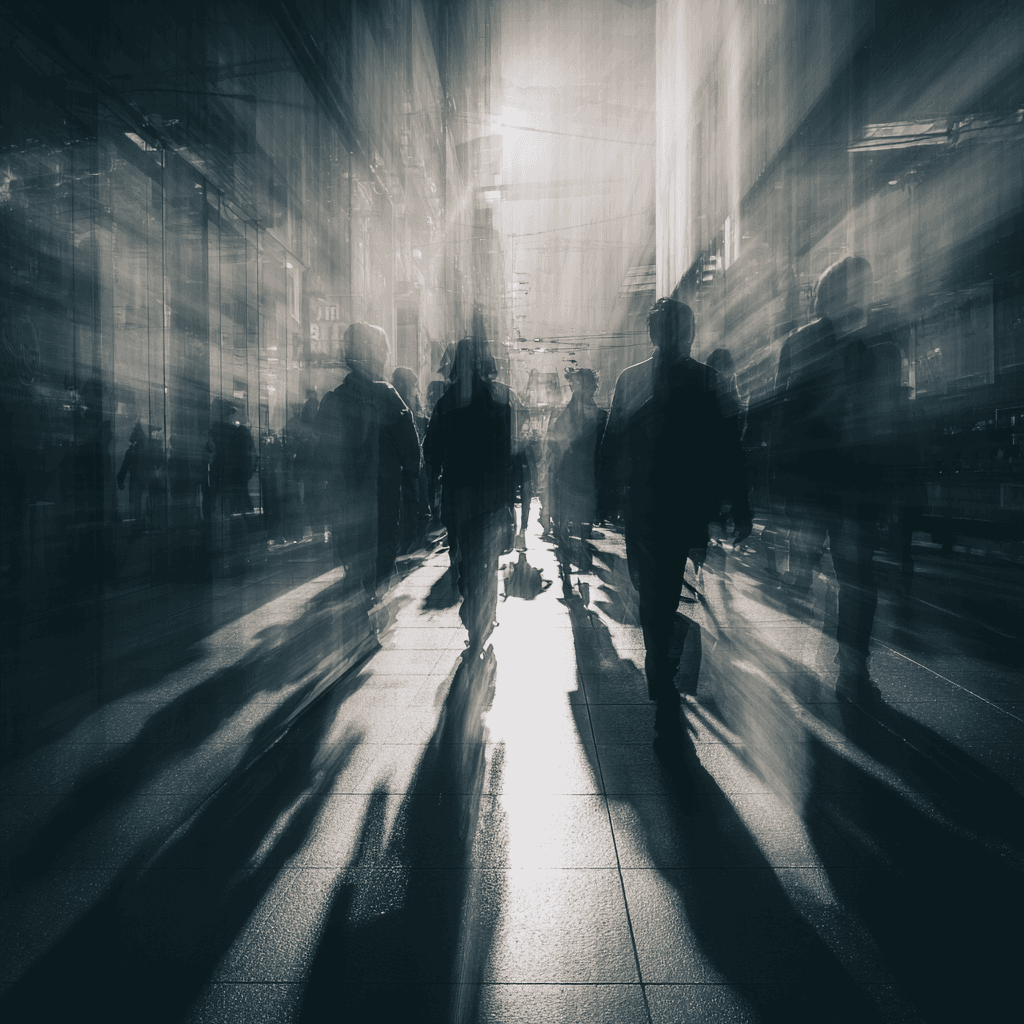
At first glance, the genre may seem spontaneous to the point of chaos. Yet the strongest street photographs rarely depend on luck alone. They are often built on attention, patience, timing, and a trained sensitivity to gesture, composition, and light. The street photographer learns to read the world quickly. A silhouette entering the frame, a reflection in a shop window, a hand raised in conversation, or a lone figure crossing a sharp beam of sunlight can all become decisive elements of an image.
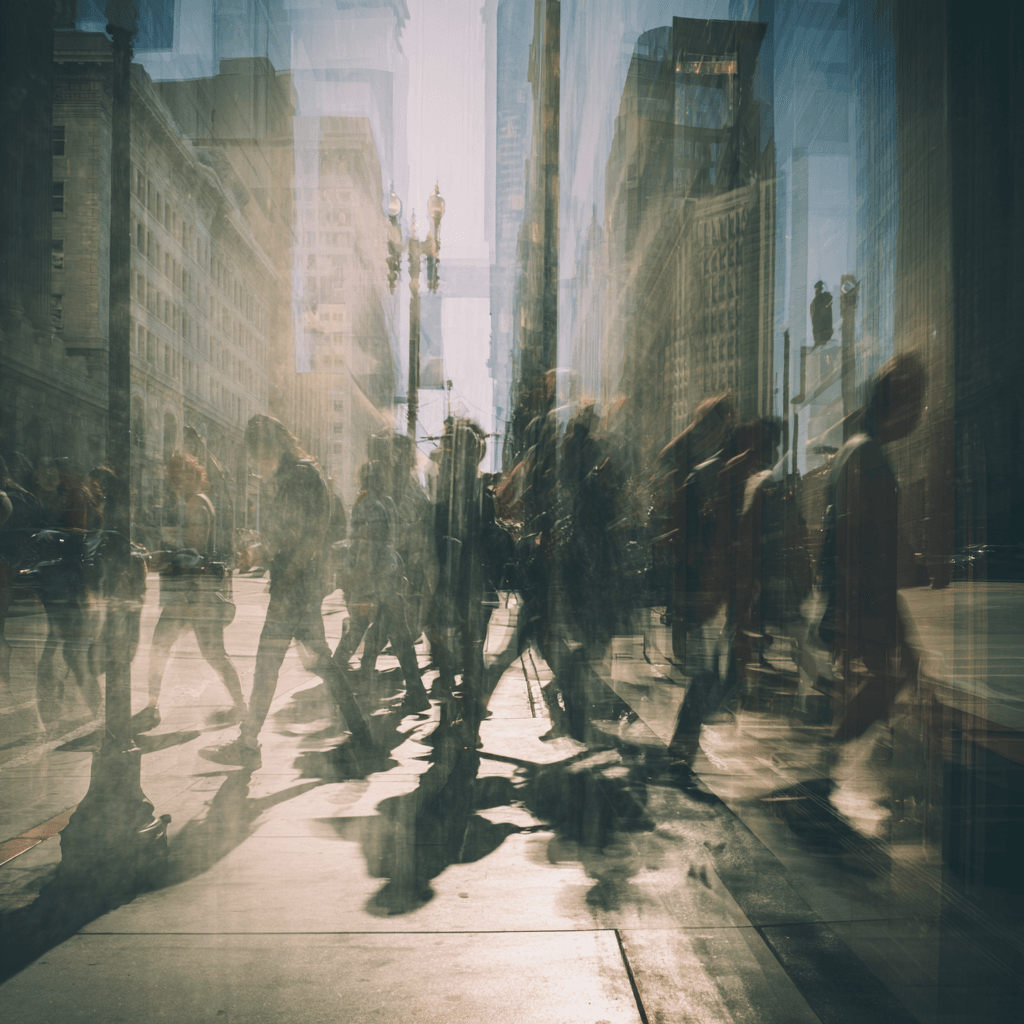
The beauty of street photography lies in its ability to transform ordinary urban life into visual significance. A city is made of repetition: traffic lights, crossings, storefronts, walls, crowds, pauses. But within this repetition, moments of pure singularity appear. A child looks upward while everyone else looks down. Two strangers mirror each other’s posture without noticing. A shadow falls like a stage curtain. A brief alignment of bodies, objects, and architecture produces something unexpectedly poetic.
Light is central to the street. Harsh midday sun can create dramatic geometry and contrast. Rain turns asphalt into reflection. Night transforms windows, headlights, and neon into a visual theater. Each condition changes the city’s tempo and the emotional tone of the photographs. A street photographer must not fight these changes but work with them, allowing the environment to shape the image.
Street photography also raises questions of distance and presence. The photographer is both inside and outside the scene. They witness without controlling, interpret without staging. This creates a fragile ethics of looking. The camera becomes a tool of attention rather than intrusion, and the strongest images often emerge when the photographer works with respect, discretion, and genuine curiosity.
In the end, street photography is not only about documenting urban life. It is about finding order in movement, elegance in accident, and meaning in passing moments. It transforms the city into a visual language of rhythm, tension, and human presence.
How It Works
From registration to jury review, discover the creative journey behind your AVA participation.
Choose Your Plan
Choose either a one-time participation pack or a monthly subscription: Spotlight, Signature, or Prestige.
Create Your Account
Register your AVA account and access your personal member space to manage your profile and submissions.
Secure Payment
Your payment is processed through a secure system. Once confirmed, your submission credits are automatically added to your account.
Upload Your Photos
Submit your images according to your available credits and make sure your files follow the AVA contest guidelines.
Jury Review
Finalist works are reviewed anonymously by the AVA jury panel and evaluated for artistic vision, creativity, impact, and technical quality.
Results & Notification
Selected artists and winners are contacted according to the official contest calendar and may receive recognition, publication, and prize-related communication.


Comments are closed.