
Portrait Photography and the Depth of Presence
Portrait Photography and the Depth of Presence
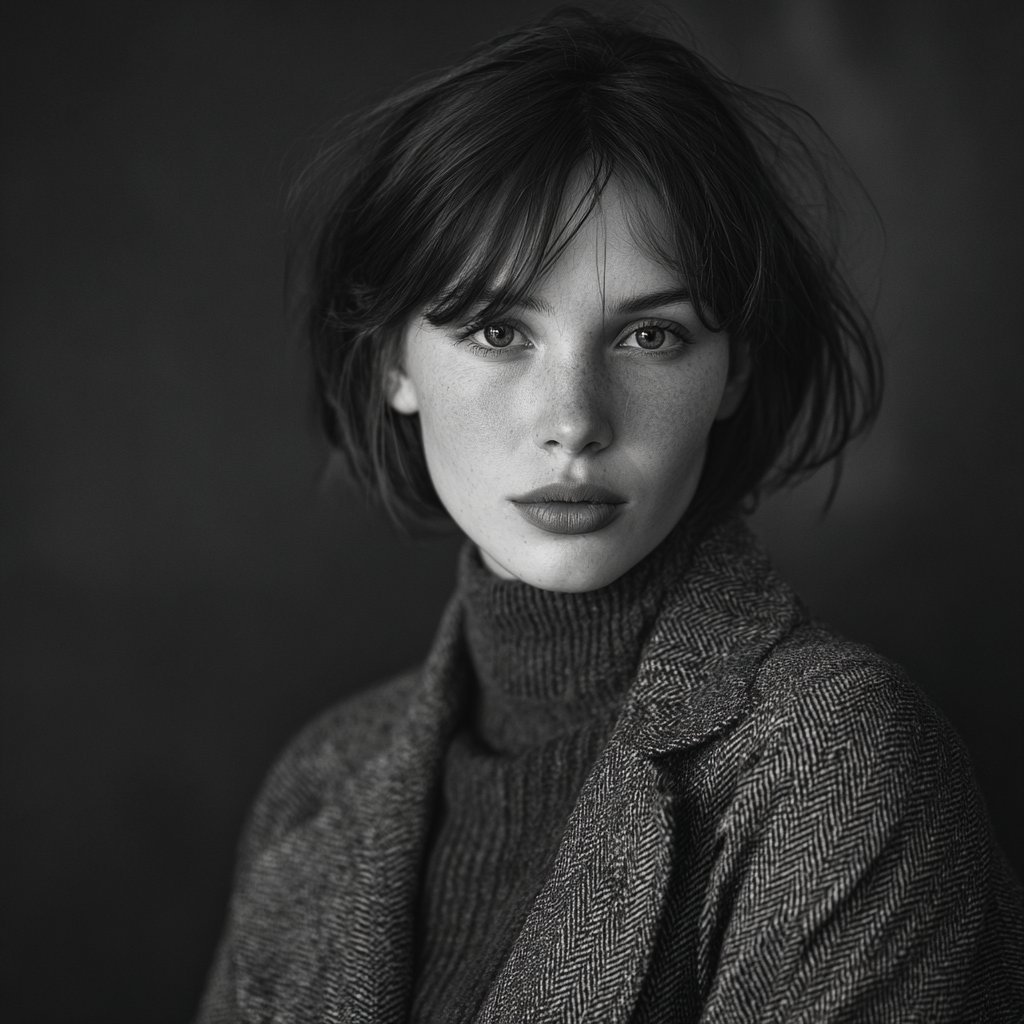
Portrait photography is one of the purest forms of image-making because it places presence at the center of the frame. More than any other genre, it asks what happens when one person truly looks at another. The result is never only technical. A portrait can be perfectly lit and composed, yet still feel distant. What gives it depth is the sense that something real has been revealed.
This revelation does not happen automatically. It depends on the relationship between photographer and subject. Trust is often invisible in the final image, yet it shapes everything. A person who feels observed with intelligence and respect will show more than someone who simply follows instructions. This is why portrait photography begins before the shutter. It begins in conversation, rhythm, silence, and the ability to create space.
Direction matters, but the best direction is rarely rigid. It is often subtle. A slight turn, a pause, a shift in breath, a lowered shoulder, a softened gaze. These small changes can transform the image entirely. Portraiture is made of fine adjustments. The photographer must know how to guide without forcing and how to recognize the exact moment when the subject stops performing and starts simply being.
Light gives the portrait its structure and emotional tone. Soft light may introduce intimacy and vulnerability. More dramatic light can bring intensity and sculptural force. The choice depends on the story the portrait wants to tell. But whatever the style, the light must support the face rather than dominate it. Portrait photography is not about showing technique for its own sake. It is about using technique in service of human truth.
The environment also plays a role. A portrait can be made in a studio, in a home, outdoors, or within a more conceptual setting. What matters is coherence. Wardrobe, color, posture, and background should support the emotional center of the image.
Ultimately, portrait photography is not only about likeness. It is about encounter. The strongest portraits leave the viewer with the impression that they have come close to a person rather than simply seen their image. That depth of presence is what makes portrait photography endure.
How It Works
From registration to jury review, discover the creative journey behind your AVA participation.
Choose Your Plan
Choose either a one-time participation pack or a monthly subscription: Spotlight, Signature, or Prestige.
Create Your Account
Register your AVA account and access your personal member space to manage your profile and submissions.
Secure Payment
Your payment is processed through a secure system. Once confirmed, your submission credits are automatically added to your account.
Upload Your Photos
Submit your images according to your available credits and make sure your files follow the AVA contest guidelines.
Jury Review
Finalist works are reviewed anonymously by the AVA jury panel and evaluated for artistic vision, creativity, impact, and technical quality.
Results & Notification
Selected artists and winners are contacted according to the official contest calendar and may receive recognition, publication, and prize-related communication.

Comments are closed.