
The Art of Street Photography: A Complete 2026 Guide
The Art of Street Photography: A Complete 2026 Guide
Summary: Street photography is the candid capture of unposed public life, most often in urban settings and sometimes without any people in the frame. Success depends on three pillars: deliberate lens choice (wide angle for immersion, telephoto for distance), strong composition around a decisive moment, and a respectful, lawful approach to strangers.
Few art forms feel as immediate as street photography. In 2025, the United States photography industry alone was valued at roughly 16.2 billion dollars, and a great deal of its creative pulse plays out on ordinary pavements. As our exploration of street photography and the pulse of the city demonstrates, plain sidewalks become stages where strangers reveal fleeting, unrepeatable moments.
This scale reflects a wider shift. According to IBISWorld data, the sector grew at a 6.0% compound annual rate between 2020 and 2025, even as smartphones placed a capable camera in nearly every pocket. The result is a genre that is more accessible, and more debated, than ever. Mastering candid street photography now requires balancing technique, courage, and respect in equal measure.
What Street Photography Actually Is
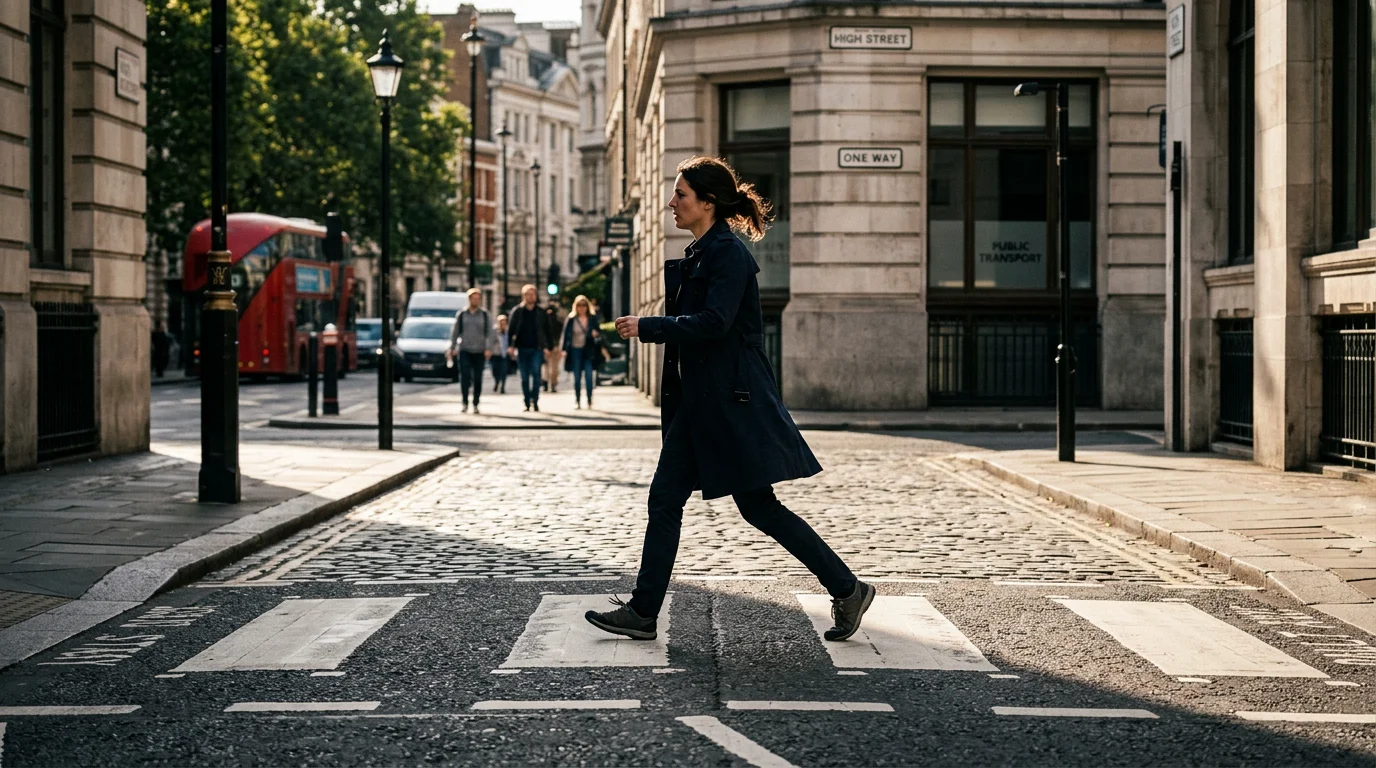
Many newcomers who type photography street queries into a search bar are really asking a single question: how do you capture unposed public life honestly? At its core, the genre is candid photography of humanity, real moments observed rather than arranged. It usually unfolds in urban environments, yet it does not demand a literal street, and people need not always appear in the frame.
The distinction that trips up beginners is the line between candid work and staged portraits. A true street image is reactive and driven by curiosity, capturing subjects who are typically unaware. A street portrait, by contrast, involves interaction and consent, which makes it posed by definition. Both are valid, but they serve different intentions and should not be confused.
A Brief History That Still Shapes the Frame
The genre is older than most people assume. The first photograph of a figure on a street was recorded by Louis Daguerre around 1838, showing a lone man having his boots polished on a Paris boulevard. Technology then dictated the pace of the art form.
When the Leica arrived commercially in 1925 as the first successful 35 mm camera, its compact body let photographers move through crowds and seize passing gestures. Henri Cartier-Bresson later crystallised the philosophy with his idea of the decisive moment, the instant when form and content align. Robert Frank then broke the rules again with raw, subjective work that reshaped what a photograph could say. Studying these figures is not nostalgia; it teaches you what a strong frame looks like before you press the shutter.
Wide Angle or Telephoto: Choosing Your Focal Length
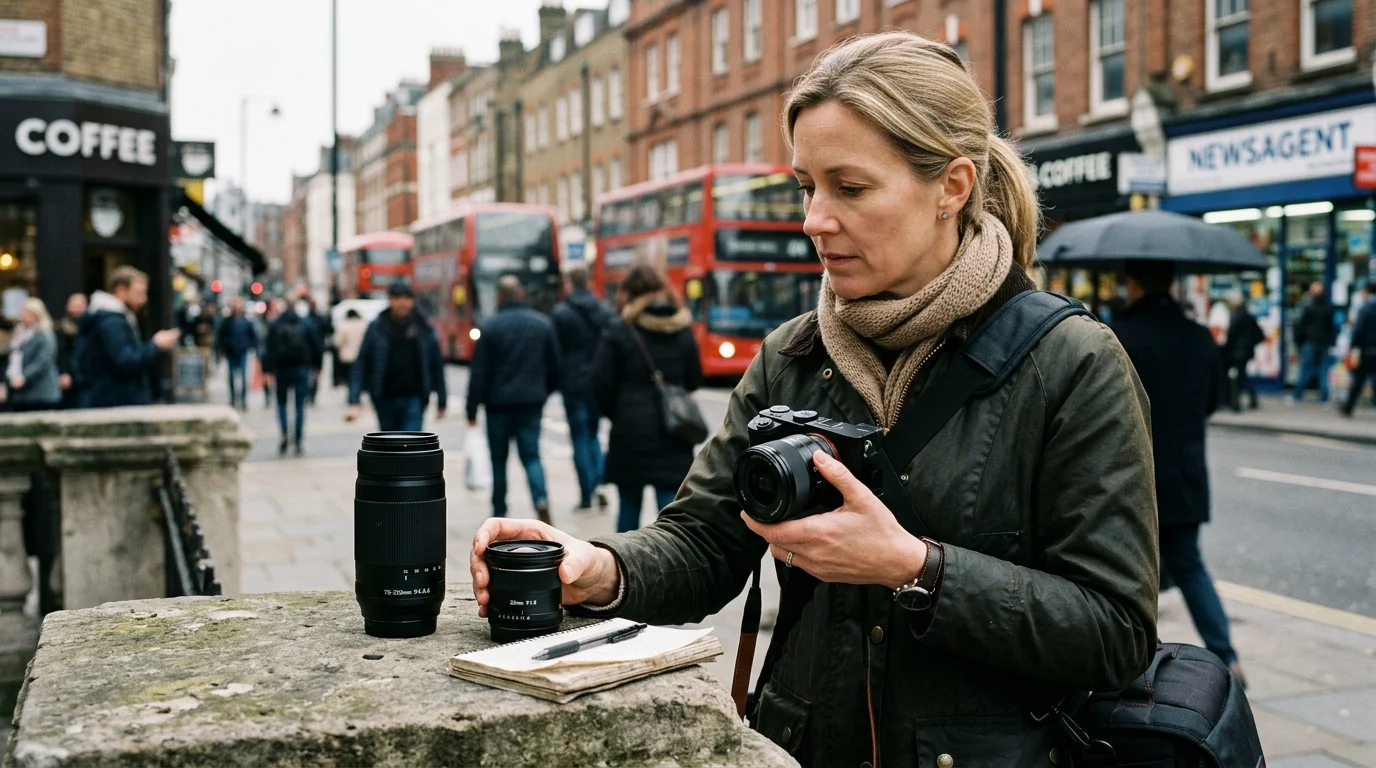
Your lens defines your relationship with the scene, so the choice deserves real thought. A wide-angle lens, typically around 28 mm or 35 mm, forces you close and pulls the viewer into the action. It captures context, gesture, and background all at once, which is why it remains the classic street focal length. The trade-off is proximity: you must physically enter the space you photograph.
A telephoto lens offers the opposite bargain. It lets you compress a scene and work from a comfortable distance, which suits candid moments across a square or through traffic. The cost is a flatter perspective and a greater risk of looking like a distant observer rather than a participant. Neither approach is superior; each shapes a distinct visual voice. Many photographers keep one wide prime for immersion and reach for a longer lens only when distance is unavoidable. If competition themes interest you, our overview of photography contest themes can help you match a focal length to a concept.
Composition and the Decisive Moment
Great street work rewards patience over luck. The most reliable method is to find a strong location, hold your position, and let subjects walk into your frame. This way people enter your space rather than the reverse, and you are already prepared to react. Watch with your eyes, not only through the viewfinder, so you notice a moment before it forms.
Build the frame with proven tools: leading lines, the rule of thirds, framing devices, and repeating patterns. Then wait for a gesture or expression to complete it. Emotion and gesture almost always outweigh an interesting outfit; a plain subject with a powerful expression beats a striking one with none. When technique becomes instinctive, you are free to concentrate on feeling rather than settings.
Overcoming the Fear of Photographing Strangers
Fear is the single biggest obstacle for most beginners. The practical remedy is to start in busy places, a market, a fair, or a crowded corner, where a camera attracts no attention. As confidence grows, you can work quieter streets where each frame feels more intimate.
Prepare a calm, honest response in advance for anyone who notices you. A friendly explanation, an offer to share the image, and a willingness to delete it defuse almost every awkward encounter. Zone focusing, setting your focus distance and aperture ahead of time, also removes hesitation, letting you shoot quickly and discreetly. The more often you practise, even in short walks with a phone, the faster the anxiety fades. When your portfolio matures, our guide to preparing a strong submission for an international photo contest explains how to present that work.
Ethics, Consent, and the Law
Photographing people in public is legal in most countries that protect freedom of expression, though limits on how images may be used, and specific rules for minors, vary widely. Legality, however, is only the starting point. Responsible practice means photographing with respect, questioning your own biases, and thinking carefully about which images you choose to publish.
Technology has raised the ethical stakes further. Artificial intelligence is reshaping how images are made and edited: according to industry statistics compiled in 2026, 42% of photographers reported in 2024 that AI speeds up their culling by at least a quarter. As automation grows, the human authenticity of a genuine candid frame becomes the very quality that sets street work apart.
Street Photography in the Age of AI and Smartphones
The flood of synthetic imagery is real and measurable. According to a 2026 stock photography report, AI-generated images now make up roughly half of all stock photos on platforms that permit them. That saturation makes lived, observed reality more valuable, not less.
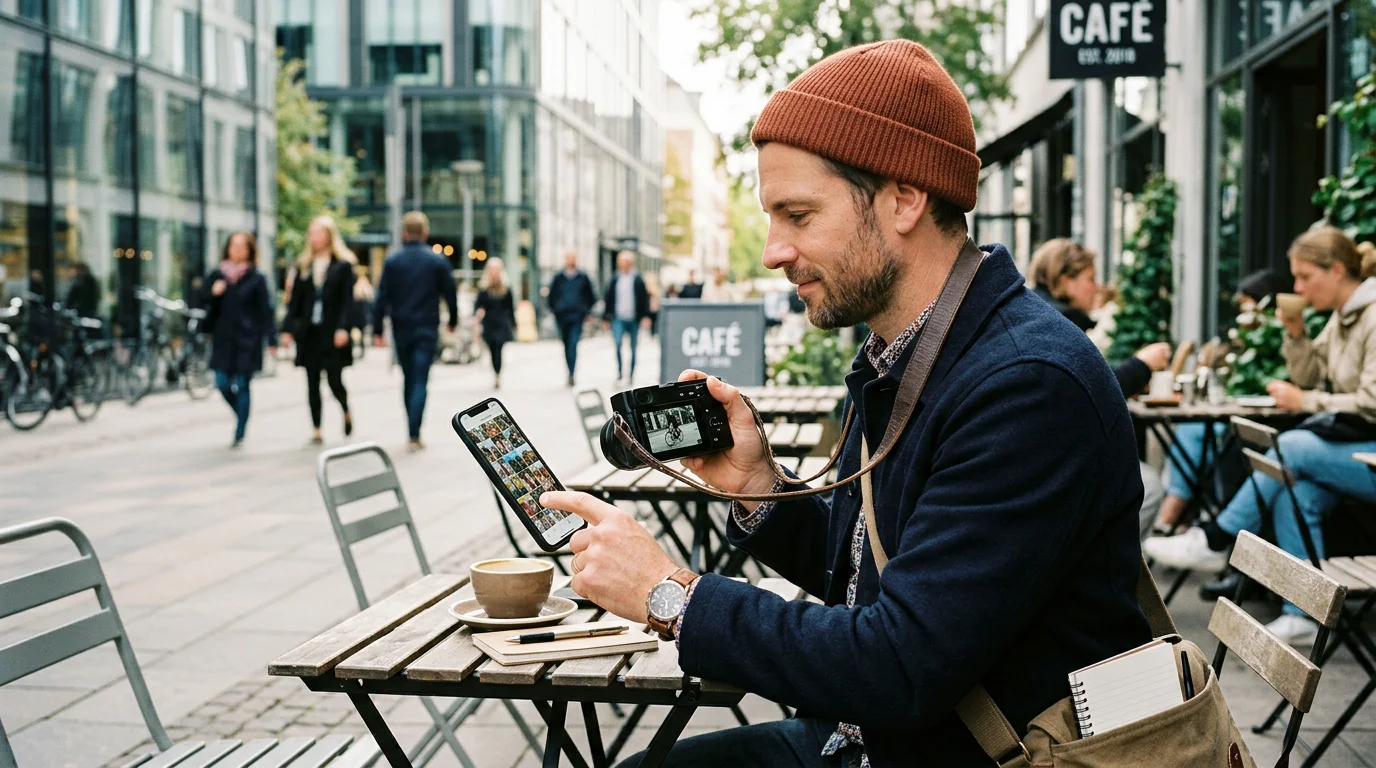
Smartphones tell a parallel story. They have democratised the craft, turning almost anyone into a potential street photographer and fuelling enormous online communities. Yet volume is not vision. A recognisable personal voice, built through repetition and honest observation, is what elevates a frame above the endless scroll. If you want to test your work against a wider field, our roundup of photography competitions for 2026 is a useful place to begin.
Bringing It All Together
Learning street photography is less about gear than about attention. Choose a focal length that matches your intention, whether a wide lens for immersion or a longer one for distance. Compose deliberately, wait for the decisive moment, and act with both courage and respect toward the people you photograph. Above all, walk often and shoot regularly, because a consistent personal voice is forged through practice, not purchased. In an era saturated with automated images, your honest observation of real life remains the most valuable thing you can offer.
Take action with Art Vision Awards
Once you have built a body of candid urban work, the natural next step is to have it seen and judged by professionals. If your images capture the honesty and emotion this genre demands, they deserve a wider audience beyond your own gallery and social feed.

We invite photographers worldwide to enter our international photography awards competition, where an international professional jury reviews each submission for quality, originality, and visual impact. Selected work can earn cash prizes, digital certificates, and editorial publication in AVA Magazine, with entry plans available for one, four, or seven photographs. It is a concrete way to turn quiet hours on the street into recognition.
Frequently Asked Questions
Is street photography legal?
In most countries that protect freedom of expression, photographing people in public places is legal. However, there are usually limits on how those images may be used, and special rules often apply when photographing minors. Always check the specific laws in your location before publishing.
Do I need an expensive camera for street photography?
No. A small, discreet camera or even a modern smartphone is often ideal because it draws less attention. What matters far more than the equipment is your eye, your timing, and how consistently you practise.
Should I use a wide angle or a telephoto lens?
A wide-angle lens around 28 mm or 35 mm keeps you close and captures context, which is the classic street choice. A telephoto lens lets you work from a distance but flattens perspective. Many photographers carry one wide prime and reach for a longer lens only when necessary.
How can I overcome the fear of photographing strangers?
Start in busy locations where a camera is unremarkable, and prepare a calm, honest response for anyone who notices you. Offering to share or delete an image resolves almost every awkward moment. Frequent practice steadily replaces anxiety with confidence.
How can I get recognition for my street photography?
Building a cohesive project and entering juried competitions are two effective routes. Through our international photography awards competition, work is reviewed by a professional jury and selected images can receive prizes and editorial publication, giving your street work visibility beyond social media.

Comments are closed.