
Fill the Frame Photography: Techniques for Bold Impact
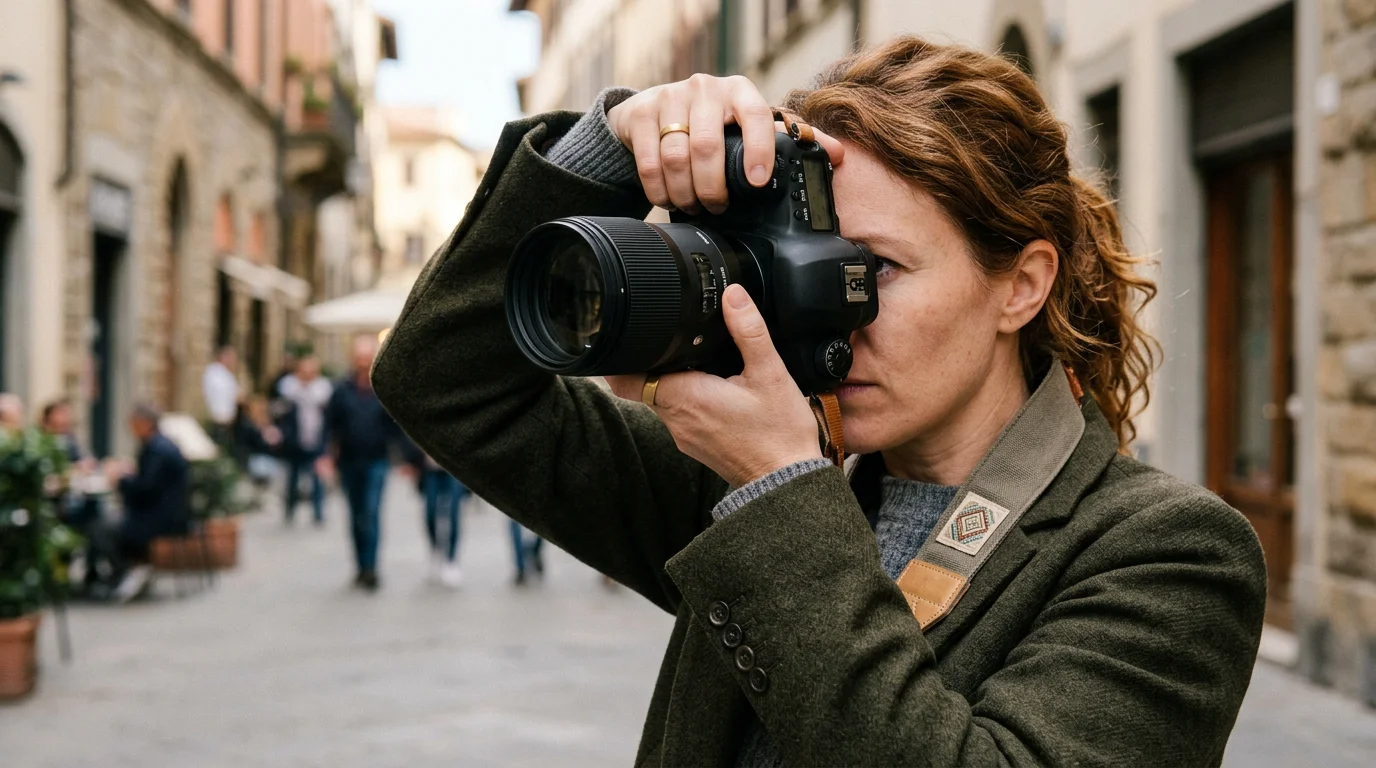
Fill the Frame Photography: Techniques for Bold Impact
Summary: Filling the frame means composing an image so that your main subject occupies most or all of the picture, leaving little empty space. The approach removes distractions, reveals fine detail, and directs the viewer’s focus with immediacy. You can achieve it by moving closer, using a longer lens, or cropping with care.
A crowded background can quietly ruin an otherwise strong photograph. When peripheral elements compete for attention, the subject loses its power and the message becomes muddled. Learning to control that space is one of the fastest ways to strengthen your images, and it starts with a deliberate decision about how much of the frame your subject should occupy. For a practical demonstration in a demanding genre, consider how presence works in our guide to portrait photography and filling the frame.
The practice of filling the frame is among the most direct compositional tools available to any photographer. Eye-tracking research on composition confirms that where a subject sits inside the frame measurably shapes how long and where people look. According to a 2024 eye-tracking study, photographic composition significantly influences the fixation state, saccades, and visual distribution of the viewer’s gaze.
What It Means to Fill the Frame
At its core, fill the frame photography is the technique of composing an image so that the positive space, usually a single subject, takes up most or all of the picture. This is the deliberate opposite of leaving generous empty margins around your subject. The intent is to emphasize what matters and to eliminate anything that does not.
Consider a bird photographed against a wide sky. A frame-filling version shows the bird prominently, with feathers, colors, and texture rendered in detail that a distant shot would lose entirely. The same logic applies to a face, a flower, or a fragment of architecture. You are choosing to make the subject the unmistakable star of the image.

Why the Technique Works
Why does a tightly composed subject feel so much more compelling? The answer lies in how attention behaves. When the subject dominates, there is no empty margin for the eye to wander into, so the viewer settles immediately on what you intended. This reduces the effort required to understand an image, which matters in a visual culture saturated with competing pictures.
The technique delivers three consistent benefits. It removes distractions, because nothing else competes for attention. It reveals detail, exposing textures and patterns invisible from a distance. It increases impact, since a large subject reads as powerful and immediate. As one summary puts it, a frame-filling subject creates a bold, confident composition with no ambiguity about intent.
This principle has a distinguished pedigree. The photojournalist Robert Capa famously advised, “If your pictures aren’t good enough, then you aren’t close enough.” His maxim remains a touchstone for photographers across nearly every genre.
Techniques to Achieve a Frame-Filling Composition
There is no single route to a tightly composed image. The right method depends on your subject, your equipment, and the constraints of the moment.
- Move closer. The most direct approach is to physically approach your subject. This works especially well in portrait and street work, where a few steps forward can transform an expression into the whole story.
- Use a telephoto lens. When you cannot get close, a long focal length brings distant subjects forward. This is essential for wildlife and sports, where a respectful distance is both ethical and safe.
- Use a macro lens. For small subjects such as flowers, insects, or coins, a macro lens magnifies the tiniest details and fills the frame with texture the naked eye cannot resolve.
- Wait for the subject. Patience is a valid technique. Set up on a strong background and allow the right subject to enter your composition.
- Crop with care. Cropping in editing is the simplest option, but it discards pixels and can reduce quality. Treat it as a last resort rather than a first instinct.
Working with a single fixed focal length, such as a 35mm or 50mm, trains your eye to previsualize the frame before you raise the camera. Over time, you learn to position yourself at the correct distance almost instinctively.
Fill the Frame Versus Negative Space
Filling the frame and using negative space are opposite approaches, and both are legitimate. Understanding when to apply each is what separates a mechanical rule-follower from a thoughtful photographer.
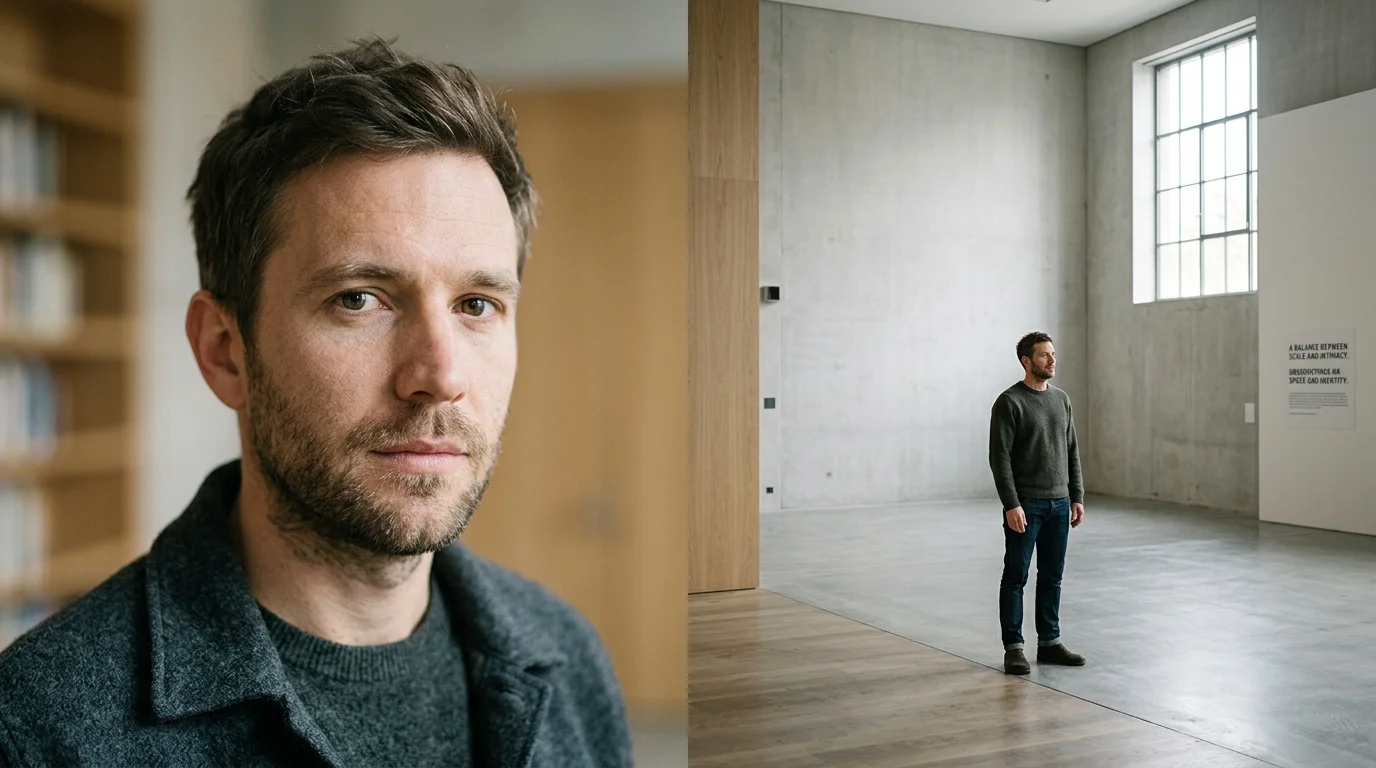
| Aspect | Fill the Frame | Negative Space |
|---|---|---|
| Primary effect | Impact and intimacy | Mood and isolation |
| Subject size | Dominates the image | Small within empty space |
| Best for | Detail, emotion, portraits | Solitude, calm, vastness |
| Risk | Loss of context | Weak or diluted subject |
Neither method is inherently superior. As a 2026 composition overview notes, filling the frame creates impact and intimacy while negative space creates mood and isolation. The stronger habit is to shoot close first, then step back deliberately to add only the elements that strengthen the story.
Applying the Technique Across Genres
The value of a tight composition shifts with the genre you are working in. In candid urban work, filling the frame lets you isolate a gesture or a glance from visual chaos. You can explore this discipline further through our resource on street photography composition and filling the frame.
In editorial and commercial contexts, a frame-filling approach can turn a garment or a gesture into the entire narrative, an idea developed in our perspective on fashion photography beyond the pose. For photographers pursuing a distinct artistic voice, deliberate framing becomes a signature, which we examine in our discussion of fine-art photography and strong personal framing. Across every genre, the decision about what to exclude is as expressive as the decision about what to include.
Common Mistakes and When to Hold Back
Filling the frame is powerful, but it is not a universal solution. The most frequent error is cropping so aggressively that the image loses the context that gives the subject meaning. A tighter crop should sharpen the story, not amputate it.
There are also moments when restraint serves better. A technical patent filing on automatic camera composition observes that filling the frame improves images most when the surrounding area is busy or distracting, whereas negative space can be preferable when the background is already simple, such as a clear blue sky. Read the scene before you commit. Sometimes room to breathe is exactly what a photograph needs.
Bringing It All Together
Mastering the practice of filling the frame is less about a fixed rule and more about intention. Decide what your subject is, decide what deserves to remain, and remove everything that competes. Whether you move your feet, reach for a longer lens, or crop with discipline, the goal is a composition where the viewer knows instantly where to look. Practice it deliberately across different subjects, and you will find your images gaining clarity, confidence, and emotional weight.
Take action with Art Vision Awards
Once you have refined your framing and built a body of work you are proud of, the natural next step is to place it before an audience that can recognize it. Strong composition deserves professional evaluation and a platform beyond your own portfolio.
Through our international photography competition and jury review, you may submit your work for evaluation by an international professional jury, with the opportunity for editorial publication in AVA Magazine, awards and certificates, and added visibility. Submission plans start with a single entry, so you can begin at the scale that suits you.
Frequently Asked Questions
What does it mean to fill the frame in photography?
It means composing so that your main subject occupies most or all of the image, leaving little empty space around it. The technique emphasizes the subject and removes competing distractions. It is the deliberate opposite of using generous negative space.
Does filling the frame require expensive gear?
No. You can fill the frame simply by moving closer to your subject with almost any lens. Telephoto and macro lenses help when physical proximity is not possible, but they are not strictly required.
Is cropping a good way to fill the frame?
Cropping works, but it discards pixels and can reduce image quality, especially for large prints. It is best treated as a final refinement rather than a first choice. Try to compose tightly in-camera whenever you can.
When should I avoid filling the frame?
Avoid it when the surrounding space adds meaning or when a simple background already isolates the subject. In those cases, negative space can convey mood, scale, or calm more effectively. Read the scene before deciding.
How can I get my frame-filling work recognized?
Beyond sharing online, professional evaluation offers credible feedback and visibility. Through our international photography competition and jury review, you can submit images for assessment, potential publication in AVA Magazine, and award recognition.


Comments are closed.