
Landscape Photography as a Study of Silence
Landscape Photography as a Study of Silence
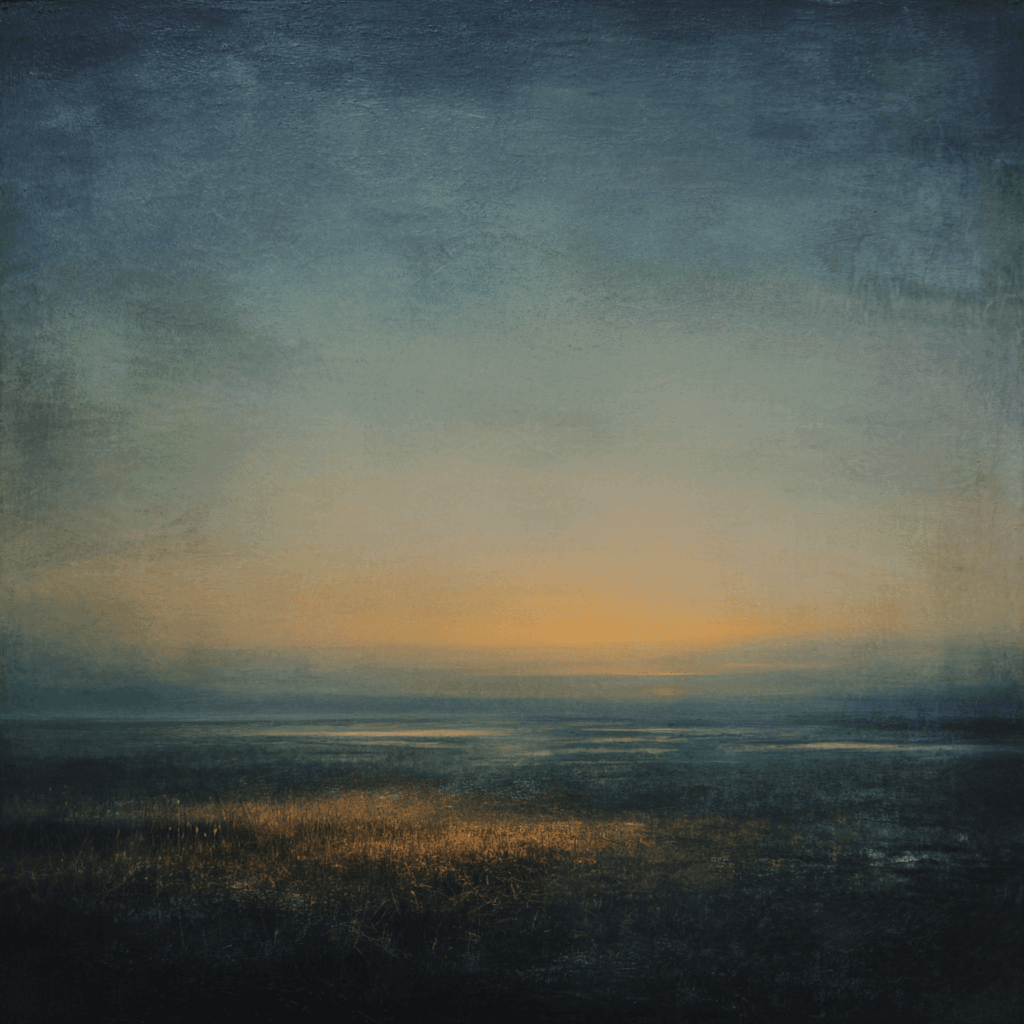
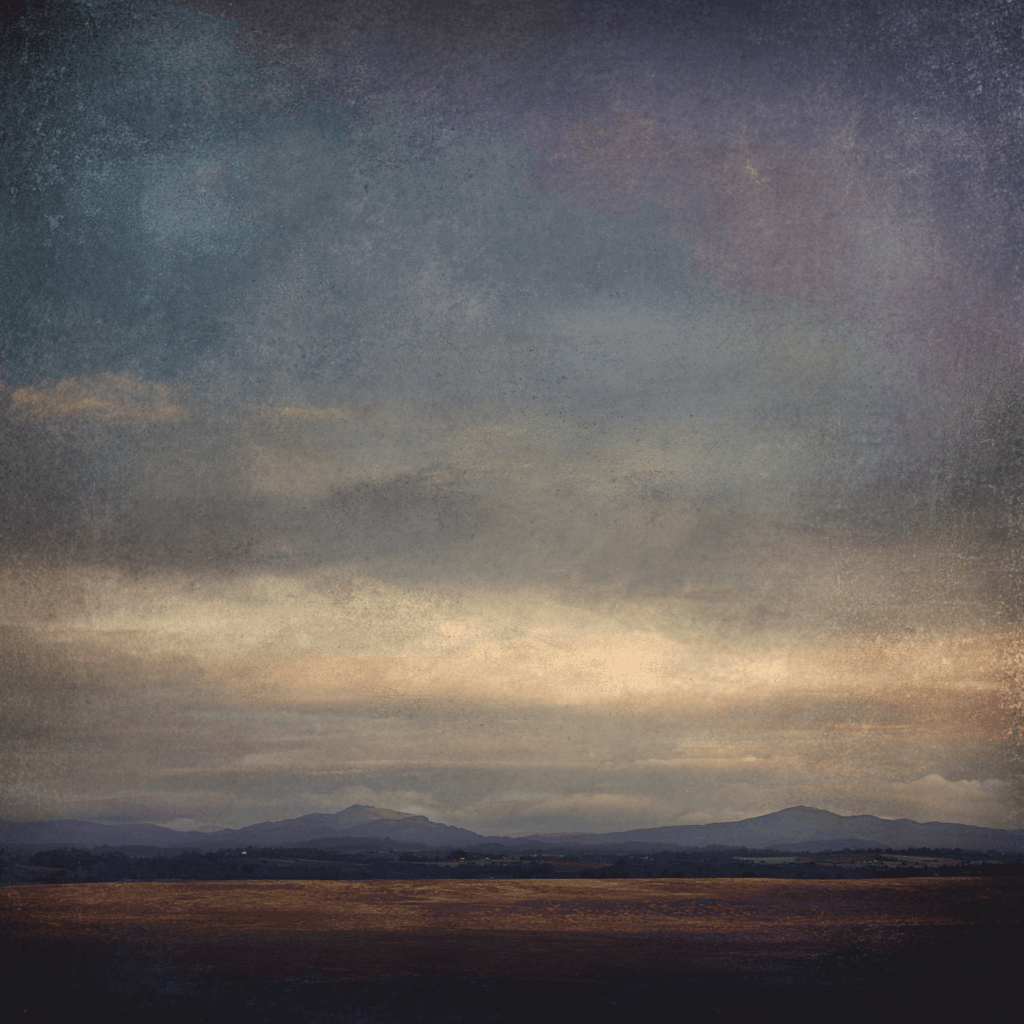
Landscape photography is often misunderstood as the simple act of capturing beautiful scenery. In reality, its deepest power comes not from showing a place, but from translating the feeling of being there. A landscape image becomes memorable when it carries mood, scale, silence, and time within the frame. The subject is never only the land. It is the relationship between the land and the gaze.
A strong landscape photograph is built on attention. It requires patience, observation, and the willingness to let a place reveal itself gradually. The temptation is often to chase the spectacular: dramatic peaks, crashing waves, extreme weather, impossible light. These elements can certainly create impact, but they are not enough on their own. What matters is how the photographer interprets them. A landscape can be grand without being expressive, just as a quiet field can become deeply moving when photographed with sensitivity.
Light is perhaps the most decisive element in the genre. It defines not only visibility, but emotion. Early morning light can soften forms and create distance. Evening light can turn the ordinary into something cinematic. Mist, rain, clouds, and haze often add more depth than a perfectly clear sky. They introduce ambiguity, and ambiguity can be a powerful poetic force in landscape work.
Composition is equally vital. The most successful images guide the eye with clarity while preserving a sense of openness. Lines, layers, negative space, and foreground detail all help build visual depth. Yet composition should never feel mechanical. Landscape photography is not a matter of assembling textbook elements. It is about sensing balance in a living environment.
There is also something contemplative about the genre. Landscape photography invites slowness. It asks the photographer to remain still, to wait for light to shift, for wind to settle, for the scene to breathe into form. This patience becomes visible in the final image. A rushed landscape often feels descriptive. A patient one feels inhabited.
Ultimately, landscape photography is not only about nature. It is about perception. It teaches us to see beyond spectacle and into atmosphere. It reminds us that beauty is not always loud. Sometimes it exists in restraint, in distance, in emptiness, in the quiet arrangement of light across land. When photographed well, a landscape does more than show a place. It becomes an experience of visual silence.
How It Works
From registration to jury review, discover the creative journey behind your AVA participation.
Choose Your Plan
Choose either a one-time participation pack or a monthly subscription: Spotlight, Signature, or Prestige.
Create Your Account
Register your AVA account and access your personal member space to manage your profile and submissions.
Secure Payment
Your payment is processed through a secure system. Once confirmed, your submission credits are automatically added to your account.
Upload Your Photos
Submit your images according to your available credits and make sure your files follow the AVA contest guidelines.
Jury Review
Finalist works are reviewed anonymously by the AVA jury panel and evaluated for artistic vision, creativity, impact, and technical quality.
Results & Notification
Selected artists and winners are contacted according to the official contest calendar and may receive recognition, publication, and prize-related communication.

Comments are closed.