Free Photo Contest Online: How to Choose and Enter

Free Photo Contest Online: How to Choose and Enter
Summary: A free photo contest online can be worthwhile when the rules are clear, the judging criteria fit your work, and the organizer explains image rights. The strongest choice is not simply the contest with no entry fee. It is the opportunity that matches your photographic style, offers credible recognition, and lets you submit without unnecessary financial or legal risk.
What is the real price of a free entry? A free photo contest online can remove a barrier and give you a reason to edit, sequence, and present your work. If your style is mobile photography, our free-entry mobile photography contests provide a focused starting point for submitting a single image or a small selection.
The important distinction is between a contest that is genuinely accessible and one that uses “free” only as an invitation to purchase more entries. Before submitting, review the eligibility rules, image rights, file specifications, judging method, deadlines, and any optional costs. This simple check helps you find an opportunity that supports your creative goals rather than distracting from them.
What makes a free photo contest online worth entering?
A useful contest gives you more than a submission form. It should provide a clear theme or category, understandable eligibility requirements, a stated judging process, and an outcome that matters to you. That outcome may be a cash prize, a certificate, an exhibition, editorial publication, portfolio visibility, or professional feedback.
Start by identifying the type of opportunity you want. Some contests are open calls for one image, while others focus on series, documentary projects, portraits, landscapes, mobile photography, or visual storytelling. Public voting can create engagement, but expert judging may be more relevant when you want your image assessed for composition, originality, technique, and emotional impact.
It is also useful to compare the submission format with your available time. A single-image competition may suit a photographer with one polished photograph. A themed series competition requires stronger sequencing, consistent editing, and a more developed concept. To compare different formats, you can review our best photography contests online and focus on the opportunities that match your current body of work.
Which rules should you verify before submitting?
Imagine finding a promising contest, preparing your image, and discovering that the file size, capture date, or usage rights make your entry ineligible. Reading the rules first prevents that outcome. Pay particular attention to:
- Eligibility, including age, location, professional status, and category restrictions.
- Image requirements, such as file format, resolution, color profile, maximum size, and permitted editing.
- Submission limits, including whether the free option covers one image or several entries.
- Deadlines, with the exact time zone and date clearly stated.
- Rights language, especially any license granted to the organizer or its partners.
- Judging details, including whether entries are scored by judges, selected by editors, or decided by public votes.
A 2026 example shows why these details matter. K12 described its U.S. student photography competition as free to enter, open to several camera types, and judged on creativity, technical skill, composition, and storytelling impact. Its 2026 entry period ran from May 27 through August 26, 2026, as explained in K12’s 2026 rules.
That example is not a universal template, and its deadline has passed. It does demonstrate a valuable principle: a clear contest should tell you who may enter, what equipment is acceptable, which qualities judges value, and when submissions close.
Why does judging quality matter more than a zero-dollar fee?
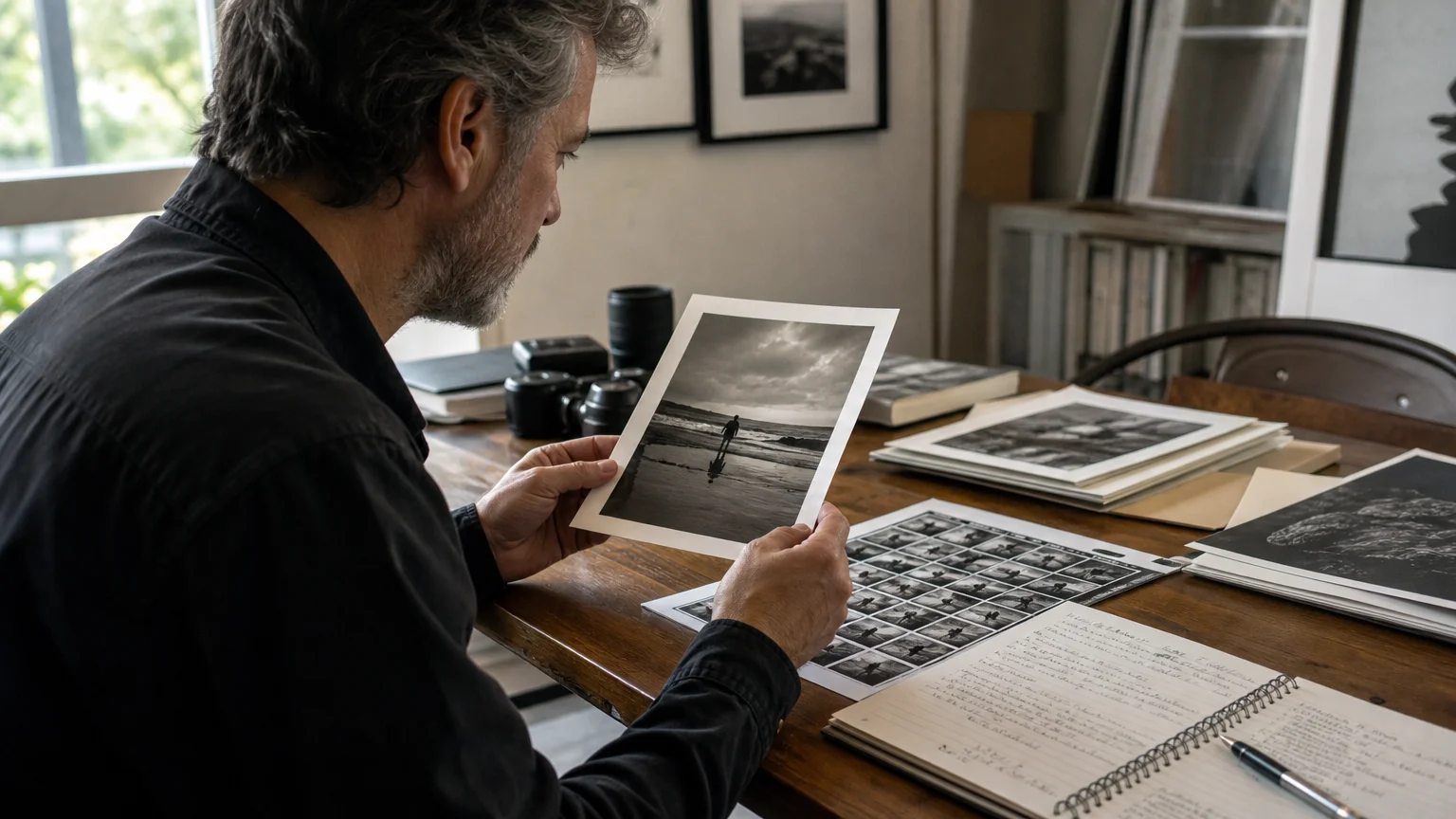
A free entry is valuable only when the opportunity itself is credible. An organizer may charge nothing while still providing meaningful exposure, structured judging, or a serious prize. Conversely, a no-cost submission can have limited value if the rules are vague, the judging process is unexplained, or the promised visibility is impossible to verify.
Free contests can also operate at a substantial scale. A 2026 report from Digital Camera World reported that a global free-to-enter photography competition offered a prize pool exceeding €250,000, with submissions scheduled to remain open until May 31, 2027. The example shows that “free” describes the entry cost, not necessarily the ambition, reach, or production value of the competition.
For you, the practical question is whether the judging model aligns with your purpose. If you want recognition from experienced creative professionals, look for named judges, stated criteria, and a clear selection process. At Art Vision Awards, our legitimate photography competitions are presented around professional international jury review and evaluation based on quality, originality, and visual impact.
How can you tell whether a contest is genuinely free?
The word “free” should describe the cost of submitting your eligible entry, not conceal a complicated payment path. Some organizers provide one free entry but charge for additional images, premium categories, certificates, voting boosts, or optional promotional packages. Those models are not automatically improper, but they should be explained before you upload your work.
Look for a visible entry page, accessible terms and conditions, and a concise explanation of what happens after submission. You should be able to identify the organizer, understand how winners are selected, and determine whether your copyright remains yours. If the page emphasizes prizes but avoids explaining image usage, treat that imbalance as a reason to investigate further.
Costs deserve particular attention when an organizer offers both free and paid routes. Our photography contest entry fees guide can help you distinguish between a free starting point, a paid entry pack, and a recurring submission plan. Before paying, confirm what the fee provides and which benefits depend on being selected.
Broader online prize-competition behavior also shows why you should examine repeat-entry mechanics. A January 2026 report from the UK Gambling Commission identified seasonal and cyclical patterns in web traffic for the wider prize-competition sector, although its research was not specifically about photography. The 2026 regulator report is therefore useful as context, not as a benchmark for photographer participation.
What should you submit when the entry is free?
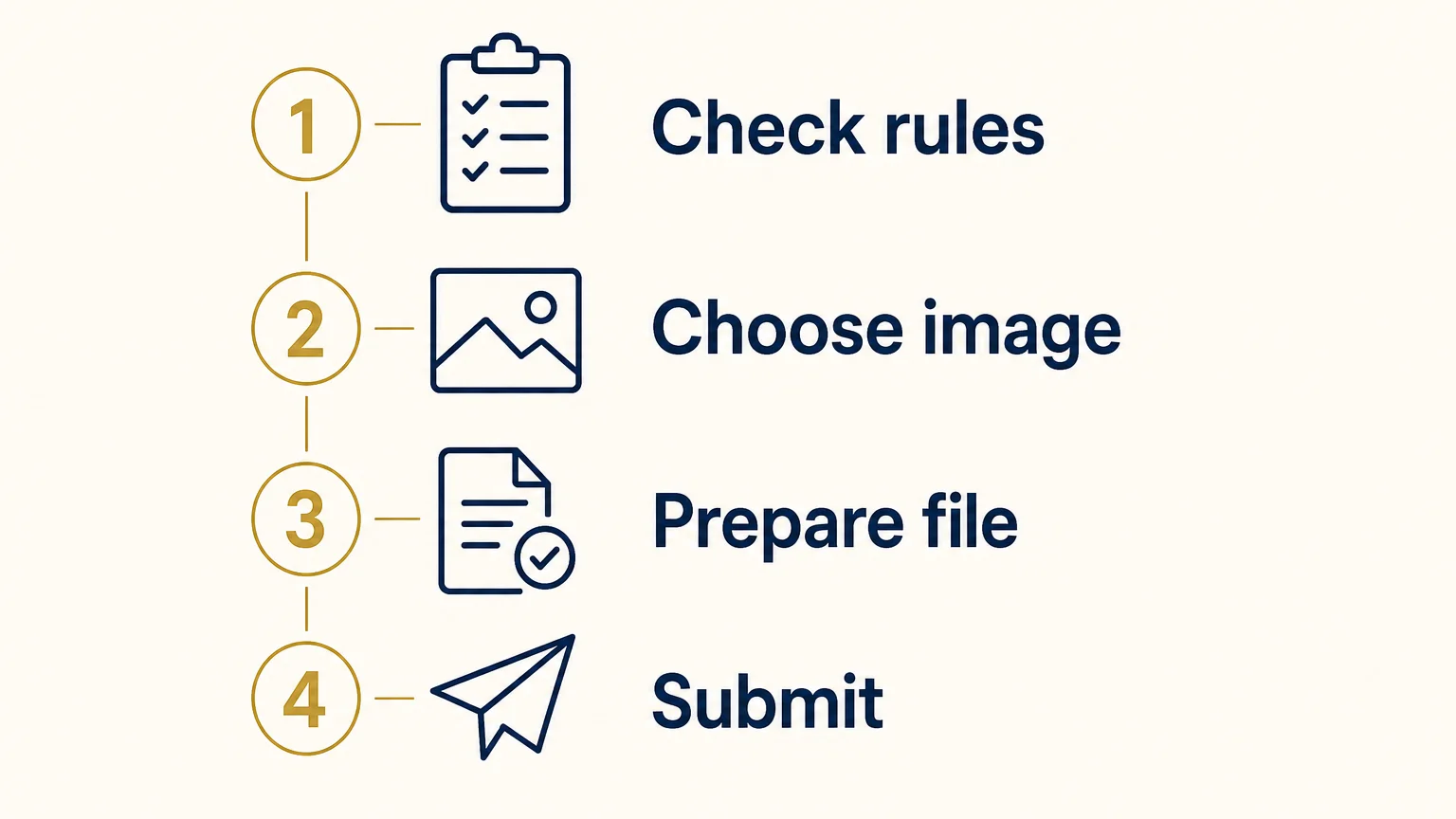
When there is no entry fee, you may be tempted to submit several images without making a careful selection. That approach can weaken your presentation. Judges usually encounter a large volume of work, so one focused, technically controlled image may communicate more effectively than a group of unrelated photographs.
Choose the image that best fits the stated category rather than the image that received the most compliments from friends. Examine the subject, composition, light, color, timing, and emotional effect. Ask whether the photograph communicates its idea quickly and whether the visual treatment supports the story.
- Remove distracting borders, watermarks, signatures, or metadata that the rules prohibit.
- Export the image in the required format and color profile.
- Check sharpness, exposure, dust spots, cropping, and skin tones at full size.
- Write a concise caption when the contest allows or requests one.
- Keep the original file and proof of authorship in case verification is required.
Do not make heavy edits simply to appear more dramatic. If manipulation is allowed, use it with intention and disclose it when the rules request an explanation. A technically polished photograph still needs an original viewpoint, a coherent subject, and a visual reason for existing.
How should deadlines and visibility influence your decision?
A deadline is not only an administrative detail. It determines how much time you have to reshoot, refine an edit, obtain a model release, translate a caption, or prepare a series. If the deadline is close, submit only when the image is ready and the rules have been checked.
Visibility benefits also require careful interpretation. “International exposure” may mean publication on a website, inclusion in a social media feature, an exhibition, a shortlist, or a magazine profile. These outcomes are different, and they may be limited to winners, finalists, selected entries, or particular submission tiers.
Assess the likely value of each benefit for your own career. A certificate may support your records, while editorial publication may strengthen your portfolio. A public feature may increase discovery, but it does not replace a clear credit line, an appropriate image license, or a judging process you trust.
The best contest for you is therefore the one that combines accessible entry with understandable conditions. A free opportunity can be an excellent way to test your work, but it should still meet professional standards for transparency, image handling, and communication.
Choose the opportunity that respects your work
The right free photography contest is not defined by the absence of a fee alone. It should fit your subject, explain its judging process, protect your understanding of image rights, and make its recognition benefits clear. Before submitting, check the rules, prepare one strong image, and decide whether the opportunity advances your creative goals. A careful selection process will help you spend less time chasing vague promises and more time presenting photography with confidence.
Take action with Art Vision Awards
If you have evaluated the rules and selected an image, the next step is to place it before a jury that considers more than popularity. We built Art Vision Awards for photographers and visual creators seeking structured competition entry, professional review, and international recognition.
At Art Vision Awards, you can begin from a free starting point or choose one-time Spotlight, Signature, or Prestige packs, with monthly options also available. Depending on selection and applicable tier, participation may lead to cash prizes, certificates, winner recognition, editorial publication, social exposure, a statuette, or an interview. When you are ready, enter the photo contest.
Frequently Asked Questions
What is a free photo contest online?
It is a digital photography competition that allows you to submit an eligible image without paying an entry fee. The contest may offer judging, public voting, prizes, publication, certificates, or other forms of recognition.
Are free photo contests really free?
Some are free for the stated entry allowance, while others charge for extra images, premium categories, or optional services. Always confirm the submission limits, payment conditions, and image rights before uploading your work.
What type of image should you submit?
Choose one photograph that fits the category, communicates a clear idea, and meets the technical requirements. Strong composition, controlled editing, originality, and emotional impact are generally more useful than submitting several unrelated images.
How do I check whether a photography contest is legitimate?
Look for a named organizer, accessible rules, clear judging criteria, stated deadlines, and transparent image usage terms. You should also verify whether promised benefits apply to every entrant or only to selected winners and finalists.
Can Art Vision Awards help me enter a photography competition?
Yes. We provide a free starting point alongside one-time Spotlight, Signature, and Prestige submission packs and corresponding monthly plans. Depending on selection and applicable benefits, your work may be considered for awards, certificates, editorial publication, social exposure, or other recognition.

Comments are closed.