
La photographie de paysage comme étude du silence
La photographie de paysage comme étude du silence
La photographie de paysage est souvent réduite à l’acte de saisir un beau décor. En réalité, sa force la plus profonde ne vient pas du fait de montrer un lieu, mais de traduire ce que l’on ressent en s’y trouvant. Une image de paysage devient mémorable lorsqu’elle porte dans son cadre l’atmosphère, l’échelle, le silence et le temps. Le sujet n’est jamais seulement la terre : c’est la relation entre le territoire et le regard.
Une photographie de paysage forte se construit sur l’attention. Elle exige patience, observation et volonté de laisser un lieu se révéler progressivement. La tentation consiste souvent à poursuivre le spectaculaire : sommets dramatiques, vagues déchaînées, conditions extrêmes, lumière impossible. Ces éléments peuvent assurément créer un impact, mais ils ne suffisent pas à eux seuls. Ce qui compte, c’est la manière dont le photographe les interprète. Un paysage peut être grandiose sans être expressif, tout comme un champ tranquille peut devenir profondément émouvant lorsqu’il est photographié avec sensibilité.
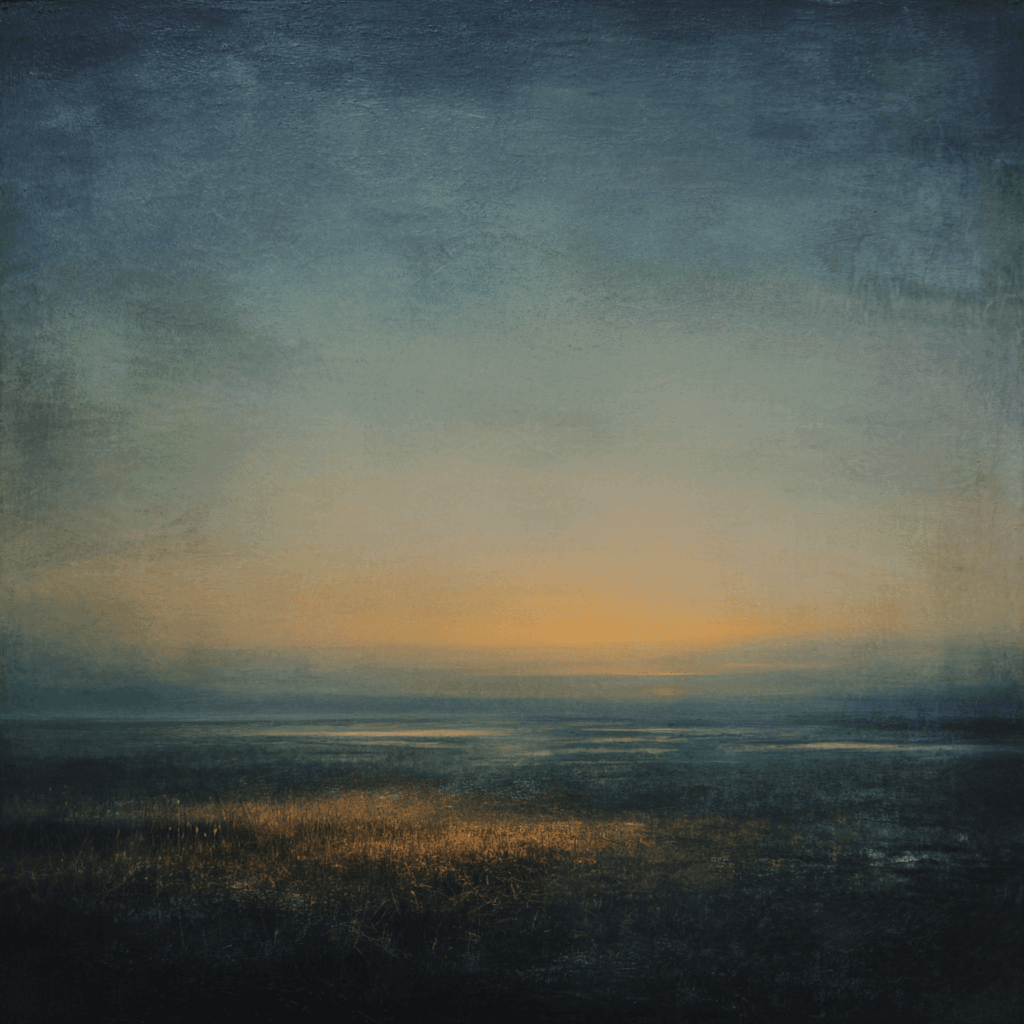
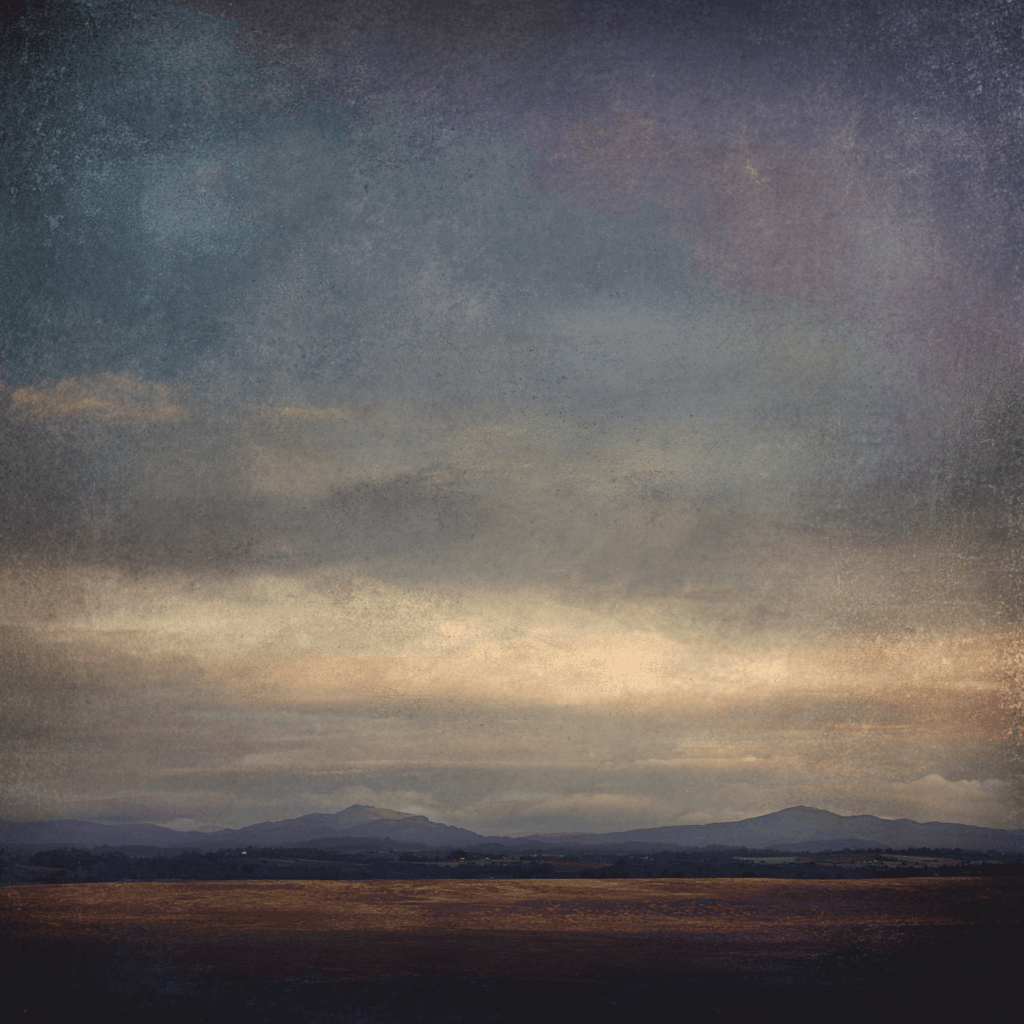
La lumière est peut-être l’élément le plus décisif du genre. Elle définit non seulement la visibilité, mais aussi l’émotion. La lumière du petit matin peut adoucir les formes et créer de la distance. Celle du soir peut transformer l’ordinaire en une scène cinématographique. La brume, la pluie, les nuages et les voiles atmosphériques apportent souvent davantage de profondeur qu’un ciel parfaitement dégagé. Ils introduisent de l’ambiguïté, et celle-ci peut devenir une puissante force poétique dans la photographie de paysage.
La composition est tout aussi essentielle. Les images les plus réussies guident le regard avec clarté tout en préservant une sensation d’ouverture. Les lignes, les plans, l’espace négatif et les détails du premier plan contribuent à créer la profondeur visuelle. Pourtant, la composition ne doit jamais sembler mécanique. La photographie de paysage ne consiste pas à assembler des éléments de manuel : il s’agit de sentir l’équilibre au sein d’un environnement vivant.
Le genre possède également une dimension contemplative. La photographie de paysage invite à la lenteur. Elle demande au photographe de rester immobile, d’attendre que la lumière change, que le vent se calme, que la scène trouve sa forme en respirant. Cette patience devient visible dans l’image finale. Un paysage saisi dans la précipitation paraît souvent descriptif ; un paysage attendu semble habité.
En définitive, la photographie de paysage ne parle pas seulement de nature, mais de perception. Elle nous apprend à regarder au-delà du spectacle, vers l’atmosphère. Elle nous rappelle que la beauté n’est pas toujours bruyante. Parfois, elle réside dans la retenue, la distance, le vide ou la disposition silencieuse de la lumière sur la terre. Bien photographié, un paysage ne se contente pas de montrer un lieu : il devient une expérience de silence visuel.
Comment ça marche
De l’inscription à l’évaluation du jury, découvrez le parcours créatif qui se cache derrière votre participation à AVA.
Choisissez votre formule
Choisissez soit un pack de participation ponctuel, soit un abonnement mensuel : Spotlight, Signature ou Prestige.
Créez votre compte
Créez votre compte AVA et accédez à votre espace membre personnel pour gérer votre profil et vos soumissions.
Paiement sécurisé
Votre paiement est traité via un système sécurisé. Une fois confirmé, vos crédits de soumission sont automatiquement ajoutés à votre compte.
Téléchargez vos photos
Soumettez vos images en fonction de vos crédits disponibles et assurez-vous que vos fichiers respectent les règles du concours AVA.
Évaluation du jury
Les œuvres finalistes sont examinées anonymement par le jury d’AVA et évaluées selon leur vision artistique, leur créativité, leur impact et leur qualité technique.
Résultats et notification
Les artistes sélectionnés et les lauréats sont contactés conformément au calendrier officiel du concours et peuvent recevoir une reconnaissance, une publication ainsi qu’une communication liée aux prix.

Comments are closed.