
Why Black and White Still Feels Timeless
Why Black and White Still Feels Timeless
Black and white photography continues to hold a singular place in contemporary visual culture. In an age saturated with color, filters, and endless digital effects, monochrome still carries a rare authority. It removes distraction, sharpens perception, and returns the image to its most essential elements: light, contrast, texture, form, and emotion.
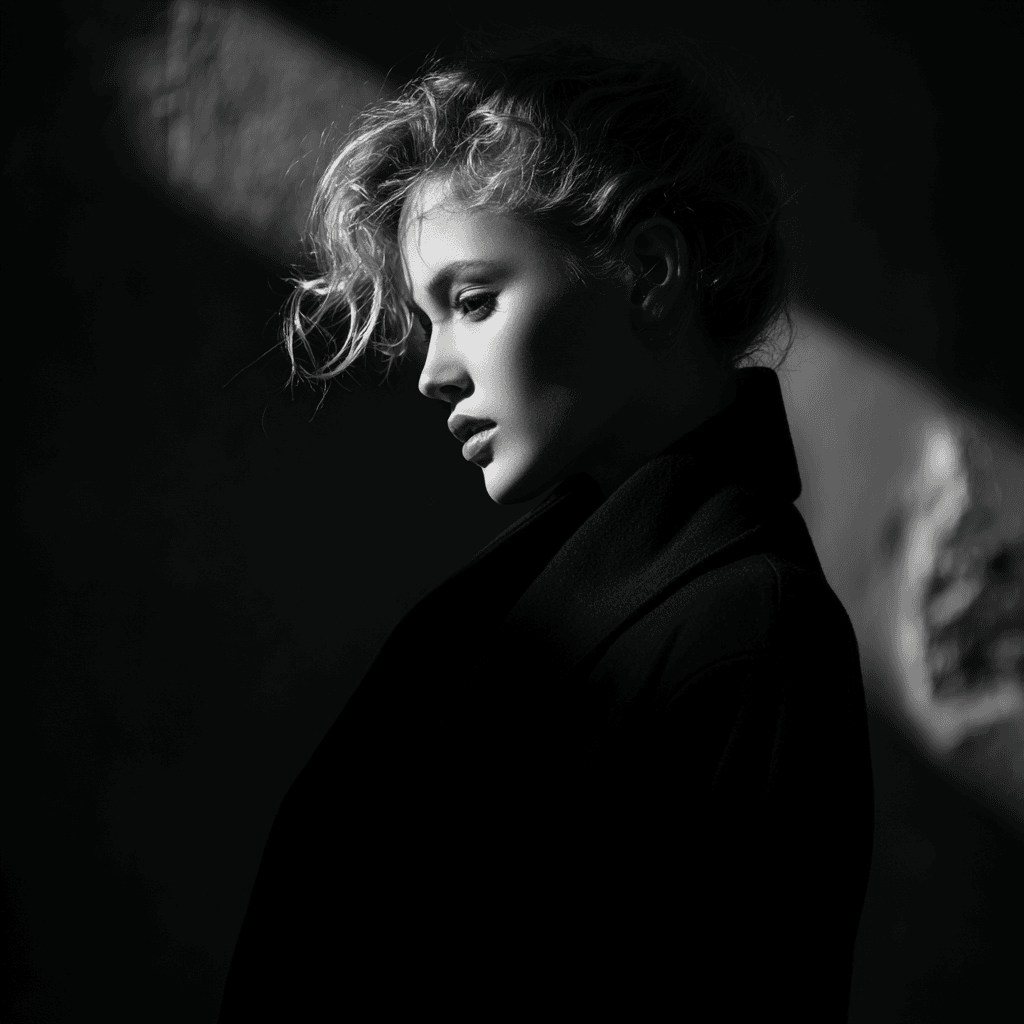
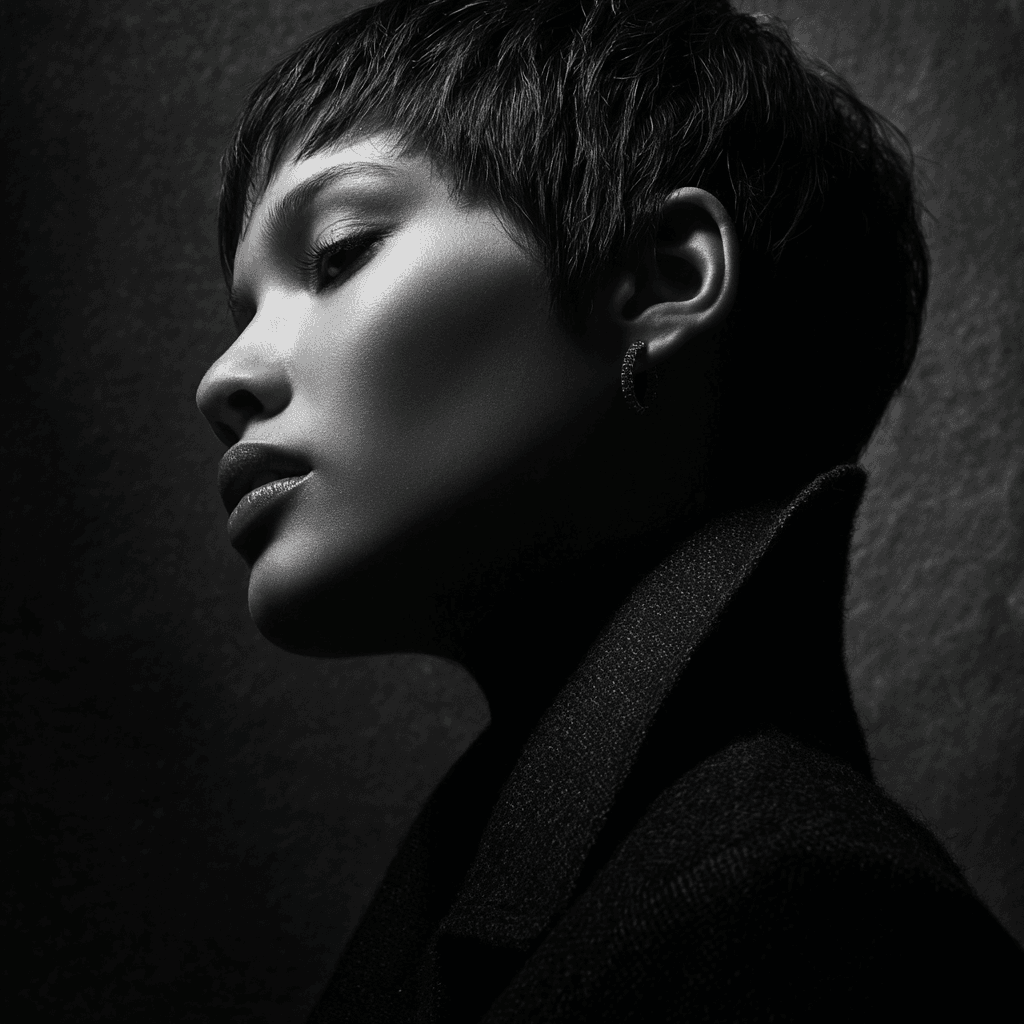
One of the reasons black and white remains so compelling is that it changes the way we look. Without color to guide or seduce the eye, we become more attentive to structure. We notice the weight of shadows, the direction of light, the tension of a gesture, the grain of a surface, the architecture of a face. What may feel ordinary in color can suddenly become profound in monochrome because the image is forced to rely on composition and tone.
This reduction does not simplify a photograph. On the contrary, it often deepens it. Black and white has a way of introducing silence into an image. It can make a portrait feel more introspective, a landscape more dramatic, a street scene more graphic, and a detail more sculptural. It removes visual noise and allows emotional intensity to rise. This is particularly true when the photographer understands tonal balance. Good monochrome is not simply color removed. It is a deliberate construction of light values.
In portraiture, black and white can reveal character with unusual honesty. Skin becomes texture, eyes become structure, and expression becomes more central. In documentary or street photography, it can unify complex scenes and create visual cohesion where color might fragment the composition. In fine art, black and white introduces a sense of timelessness that often resists trends.
Yet black and white should never be used as an easy shortcut to seriousness. Not every image becomes better in monochrome. The choice must serve the subject. Some photographs need the emotional information that color provides. Others gain strength when that information is removed. The decision should come from visual necessity, not habit.
The enduring power of black and white photography lies in this discipline. It asks more from the photographer and more from the viewer. It invites us to read an image more slowly, more deeply, and often more emotionally. That is why, despite every shift in technology and style, black and white remains one of the purest and most elegant languages in photography.
Comment ça marche
De l’inscription à l’évaluation du jury, découvrez le parcours créatif qui se cache derrière votre participation à AVA.
Choisissez votre pack
Sélectionnez le pack de participation qui correspond à vos objectifs. AVA propose trois packs uniques : Spotlight, Signature et Prestige.
Créez votre compte
Créez votre compte AVA et accédez à votre espace membre personnel pour gérer votre profil et vos soumissions.
Paiement sécurisé
Votre paiement est traité via un système sécurisé. Une fois confirmé, vos crédits de soumission sont automatiquement ajoutés à votre compte.
Téléchargez vos photos
Soumettez vos images en fonction de vos crédits disponibles et assurez-vous que vos fichiers respectent les règles du concours AVA.
Évaluation du jury
Les œuvres finalistes sont examinées anonymement par le jury d’AVA et évaluées selon leur vision artistique, leur créativité, leur impact et leur qualité technique.
Results & Notification
Les artistes sélectionnés et les lauréats sont contactés conformément au calendrier officiel du concours et peuvent recevoir une reconnaissance, une publication ainsi qu’une communication liée aux prix.

Comments are closed.