Fine Art Photography and Personal Vision
Fine Art Photography and Personal Vision
Fine art photography occupies a unique place within the broader field of image-making because it begins not with a brief or a commercial function, but with an inner necessity. It is driven by thought, emotion, symbolism, and personal interpretation. While many forms of photography respond to the visible world, fine art photography often seeks to reframe it, abstract it, or transform it into something more subjective and layered.
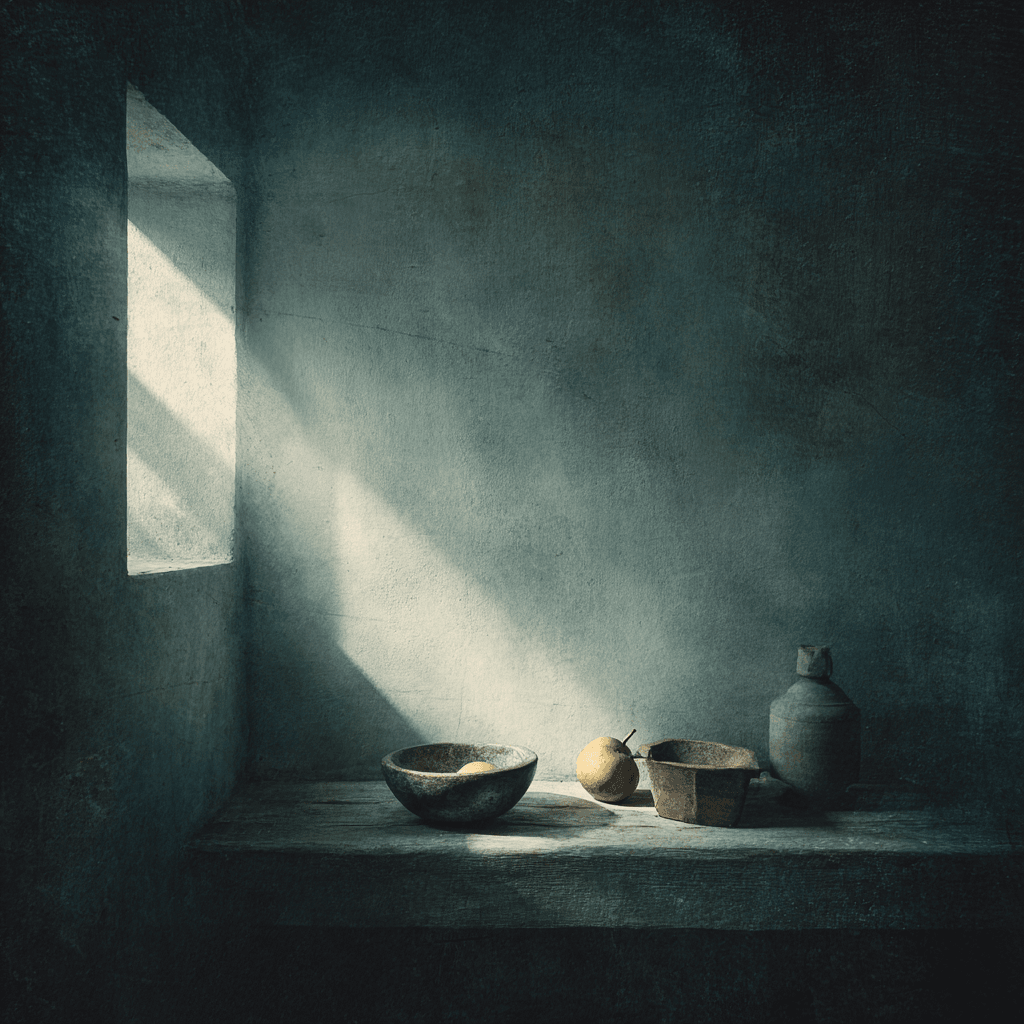
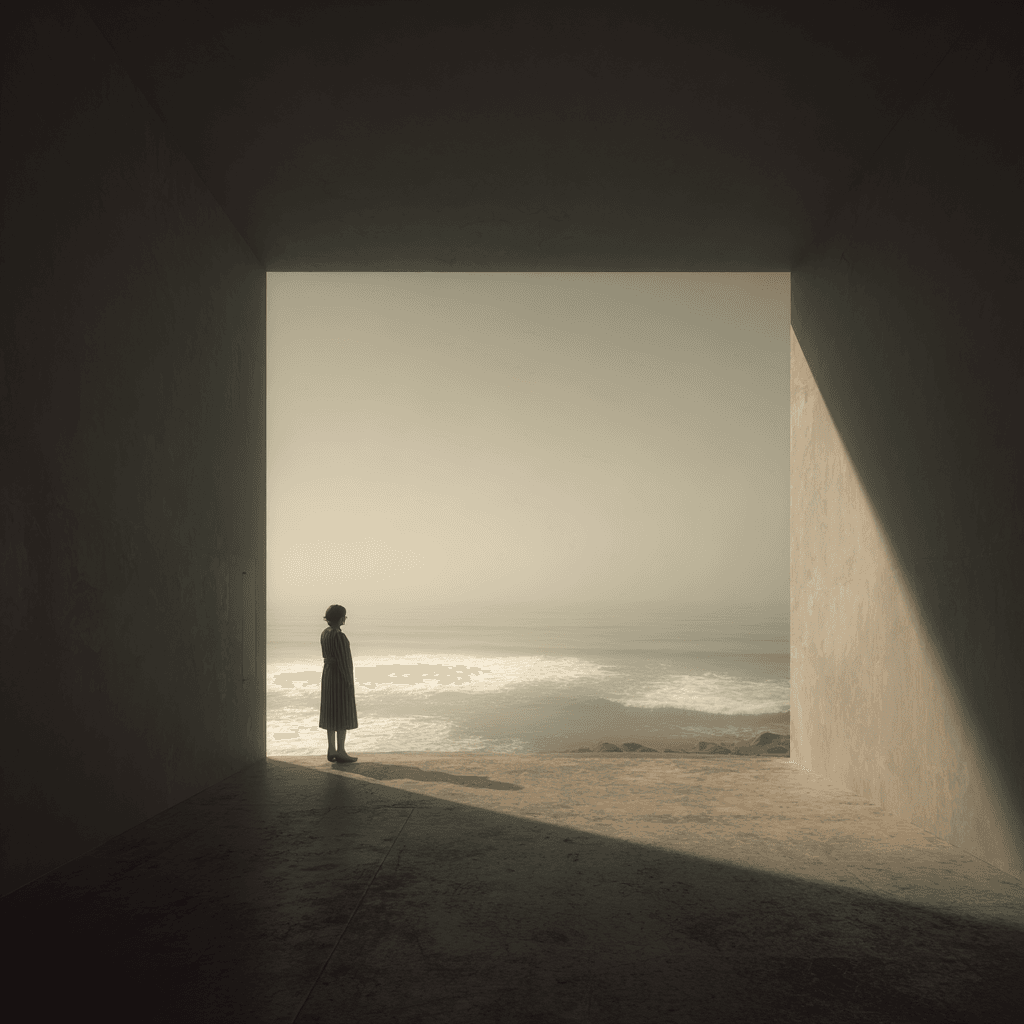
The difference lies in intention. A fine art image is rarely content with recording a subject as it appears. It asks what that subject can mean. A portrait may become a meditation on absence. A still life may evoke memory or tension. A landscape may become a study of solitude. Objects, bodies, shadows, and spaces are no longer only visual elements. They become carriers of ideas.
This does not mean fine art photography must be obscure or intellectualized beyond feeling. On the contrary, the strongest work often combines conceptual rigor with emotional clarity. The viewer may not immediately decode every symbol, yet the image still resonates. There is a sense of coherence, atmosphere, and necessity that gives the work weight. Fine art photography succeeds when it feels intentional without becoming over-explained.
A personal visual language is essential in this category. Technique matters, but it is not enough. Many images can be beautifully executed and still feel anonymous. What distinguishes a fine art photographer is the development of a voice. This voice may emerge through recurring themes, a consistent treatment of light, a specific relationship to the body or space, or an unmistakable emotional tone. Over time, the work becomes recognizable not because it repeats itself, but because it remains faithful to a singular way of seeing.
Editing and sequencing are also central to the fine art process. One image can be powerful on its own, but a body of work gains depth through relationships between images. Themes echo, contrasts develop, and meanings expand. Presentation becomes part of the artistic gesture.
In the end, fine art photography is less about category than about commitment. It asks the artist to move beyond surface beauty and toward a more precise form of expression. It requires patience, honesty, and risk. When it works, the image does not simply please the eye. It leaves a trace in the mind and invites the viewer into a more personal, contemplative space.
Comment ça marche
De l’inscription à l’évaluation du jury, découvrez le parcours créatif qui se cache derrière votre participation à AVA.
Choisissez votre pack
Sélectionnez le pack de participation qui correspond à vos objectifs. AVA propose trois packs uniques : Spotlight, Signature et Prestige.
Créez votre compte
Créez votre compte AVA et accédez à votre espace membre personnel pour gérer votre profil et vos soumissions.
Paiement sécurisé
Votre paiement est traité via un système sécurisé. Une fois confirmé, vos crédits de soumission sont automatiquement ajoutés à votre compte.
Téléchargez vos photos
Soumettez vos images en fonction de vos crédits disponibles et assurez-vous que vos fichiers respectent les règles du concours AVA.
Évaluation du jury
Les œuvres finalistes sont examinées anonymement par le jury d’AVA et évaluées selon leur vision artistique, leur créativité, leur impact et leur qualité technique.
Results & Notification
Les artistes sélectionnés et les lauréats sont contactés conformément au calendrier officiel du concours et peuvent recevoir une reconnaissance, une publication ainsi qu’une communication liée aux prix.
Comments are closed.