
La fotografía de paisaje como estudio del silencio
La fotografía de paisaje como estudio del silencio
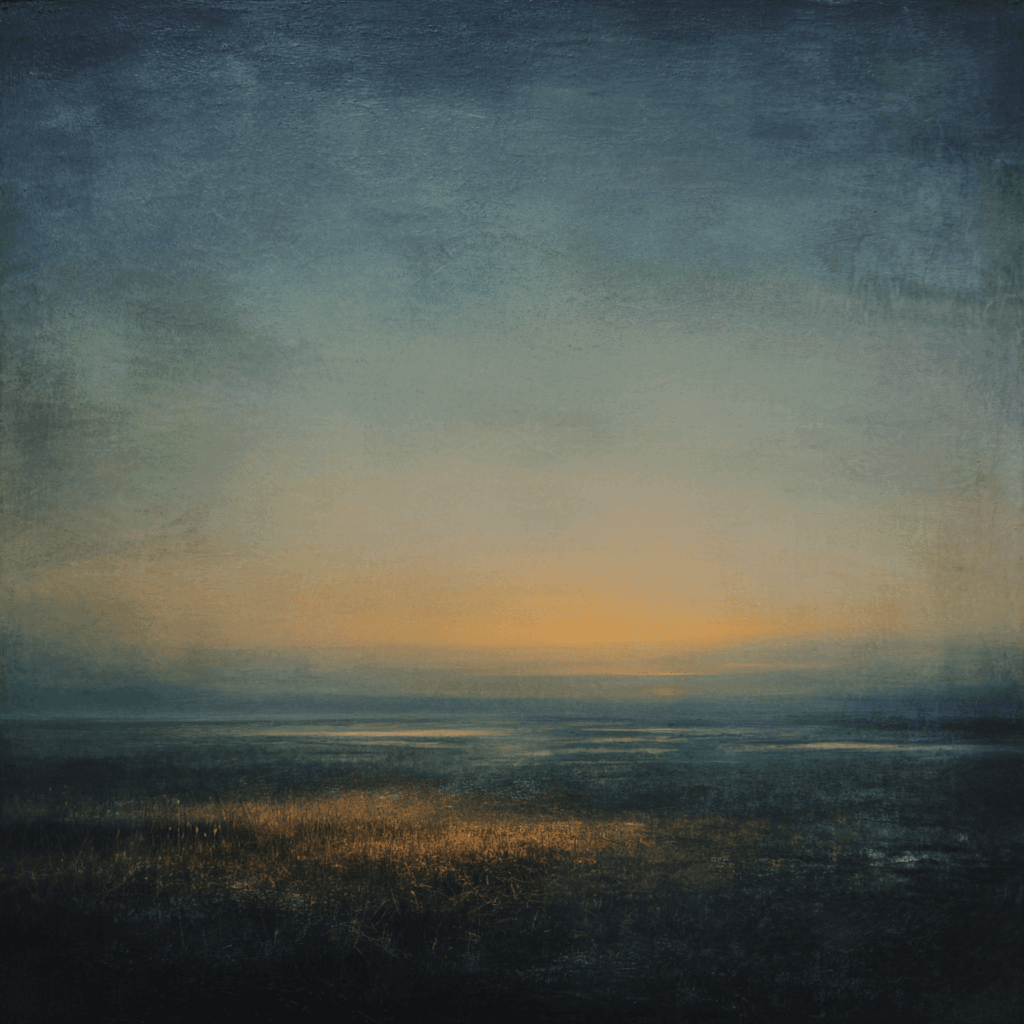
La fotografía de paisaje suele entenderse erróneamente como el simple acto de captar un paisaje hermoso. En realidad, su fuerza más profunda no proviene de mostrar un lugar, sino de traducir lo que se siente al estar allí. Una imagen de paisaje se vuelve memorable cuando contiene atmósfera, escala, silencio y tiempo dentro del encuadre. El tema nunca es solo la tierra, sino la relación entre el territorio y la mirada.
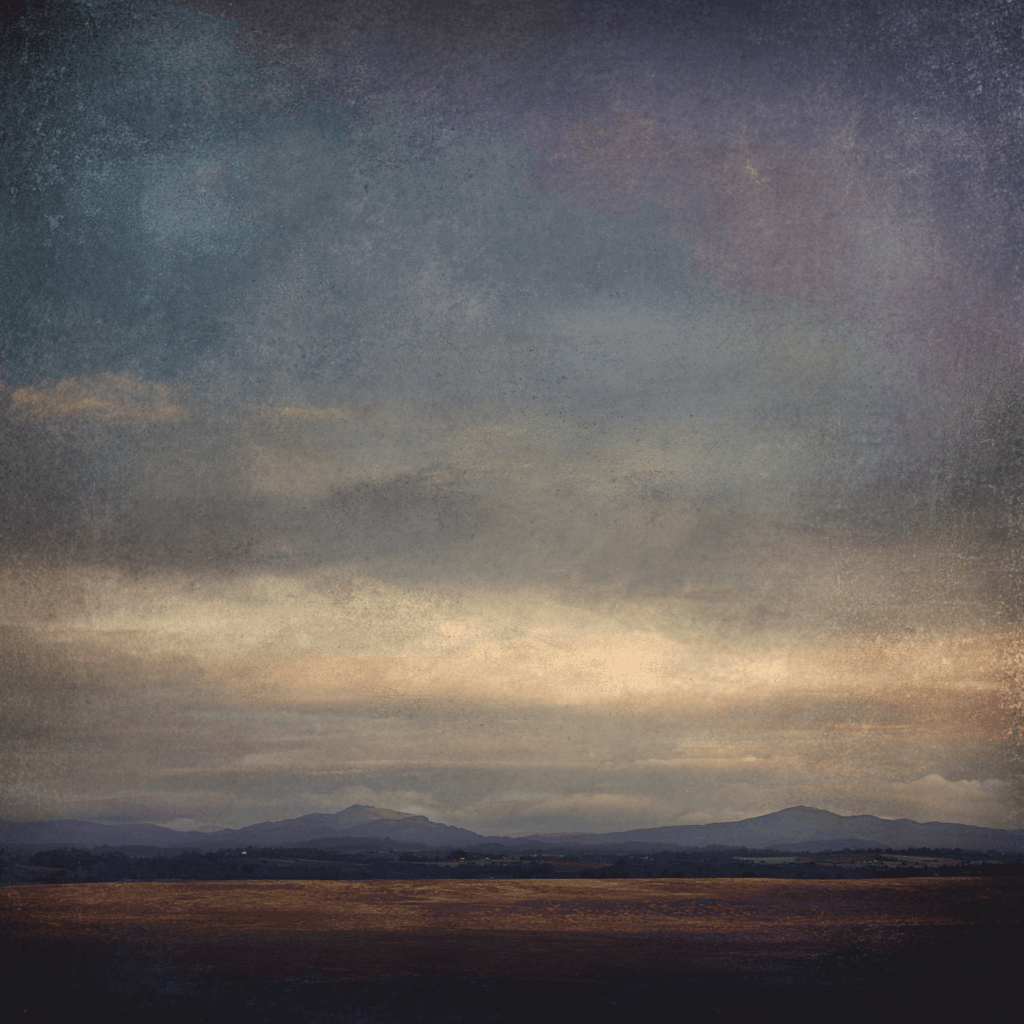
Una fotografía de paisaje poderosa se construye desde la atención. Requiere paciencia, observación y la disposición a dejar que el lugar se revele poco a poco. A menudo surge la tentación de perseguir lo espectacular: picos dramáticos, olas rompiendo, clima extremo, una luz imposible. Estos elementos pueden generar impacto, pero no bastan por sí solos. Lo importante es cómo los interpreta el fotógrafo. Un paisaje puede ser grandioso sin resultar expresivo, del mismo modo que un campo tranquilo puede conmover profundamente cuando se fotografía con sensibilidad.
La luz es quizá el elemento más decisivo del género. No solo define la visibilidad, sino también la emoción. La luz de primera hora puede suavizar las formas y crear distancia. La luz del atardecer puede convertir lo cotidiano en algo cinematográfico. La niebla, la lluvia, las nubes y la calima suelen aportar más profundidad que un cielo perfectamente despejado. Introducen ambigüedad, y la ambigüedad puede ser una poderosa fuerza poética en la fotografía de paisaje.
La composición es igualmente vital. Las imágenes más logradas guían la mirada con claridad mientras conservan una sensación de apertura. Las líneas, las capas, el espacio negativo y los detalles del primer plano ayudan a construir profundidad visual. Sin embargo, la composición nunca debería sentirse mecánica. La fotografía de paisaje no consiste en reunir elementos de manual, sino en percibir el equilibrio dentro de un entorno vivo.
El género también posee algo contemplativo. La fotografía de paisaje invita a la lentitud. Pide al fotógrafo que permanezca quieto, que espere a que cambie la luz, a que se calme el viento y a que la escena respire hasta tomar forma. Esa paciencia se hace visible en la imagen final. Un paisaje apresurado suele parecer descriptivo; uno paciente se siente habitado.
En definitiva, la fotografía de paisaje no trata únicamente de la naturaleza, sino de la percepción. Nos enseña a mirar más allá del espectáculo y adentrarnos en la atmósfera. Nos recuerda que la belleza no siempre es estridente. A veces existe en la contención, la distancia, el vacío o la serena disposición de la luz sobre la tierra. Bien fotografiado, un paisaje hace algo más que mostrar un lugar: se convierte en una experiencia de silencio visual.
Cómo funciona
Desde la inscripción hasta la evaluación del jurado, descubra el recorrido creativo detrás de su participación en AVA.
Elige tu plan
Elige un pack de participación de pago único o una suscripción mensual: Spotlight, Signature o Prestige.
Crea tu cuenta
Crea tu cuenta AVA y accede a tu espacio personal de miembro para gestionar tu perfil y tus envíos.
Pago seguro
Su pago se procesa a través de un sistema seguro. Una vez confirmado, sus créditos de envío se añaden automáticamente a su cuenta.
Sube tus fotos
Envía tus imágenes según tus créditos disponibles y asegúrate de que tus archivos cumplan con las reglas del concurso AVA.
Evaluación del jurado
Las obras finalistas son revisadas de forma anónima por el jurado de AVA y evaluadas por su visión artística, creatividad, impacto y calidad técnica.
Résultados y notificación
Los artistas seleccionados y los ganadores son contactados de acuerdo con el calendario oficial del concurso y pueden recibir reconocimiento, publicación y comunicación relacionada con los premios.

SOBRE NOSOTROS
COMPETICIÓN
INFORMACIÓN LEGAL
Comments are closed.