Fine Art Photography and Personal Vision
Fine Art Photography and Personal Vision
Fine art photography occupies a unique place within the broader field of image-making because it begins not with a brief or a commercial function, but with an inner necessity. It is driven by thought, emotion, symbolism, and personal interpretation. While many forms of photography respond to the visible world, fine art photography often seeks to reframe it, abstract it, or transform it into something more subjective and layered.
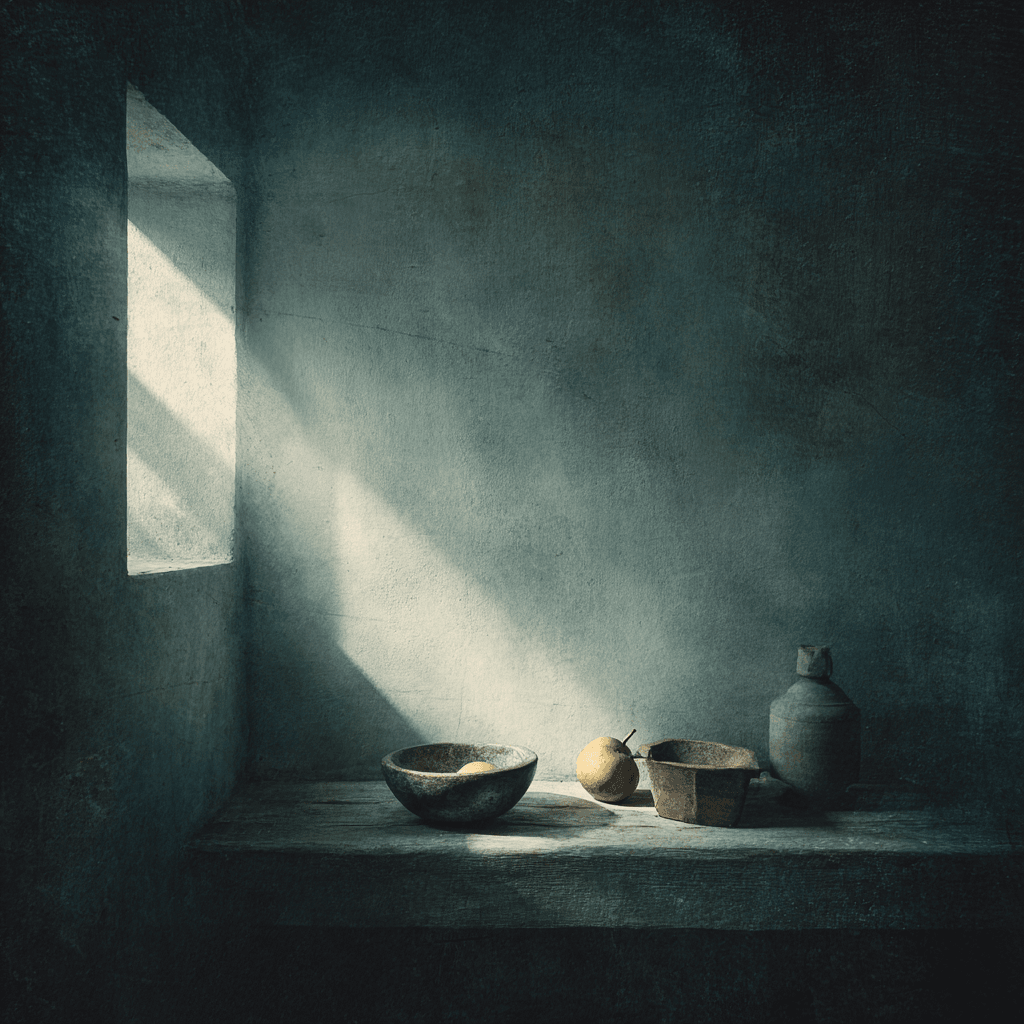
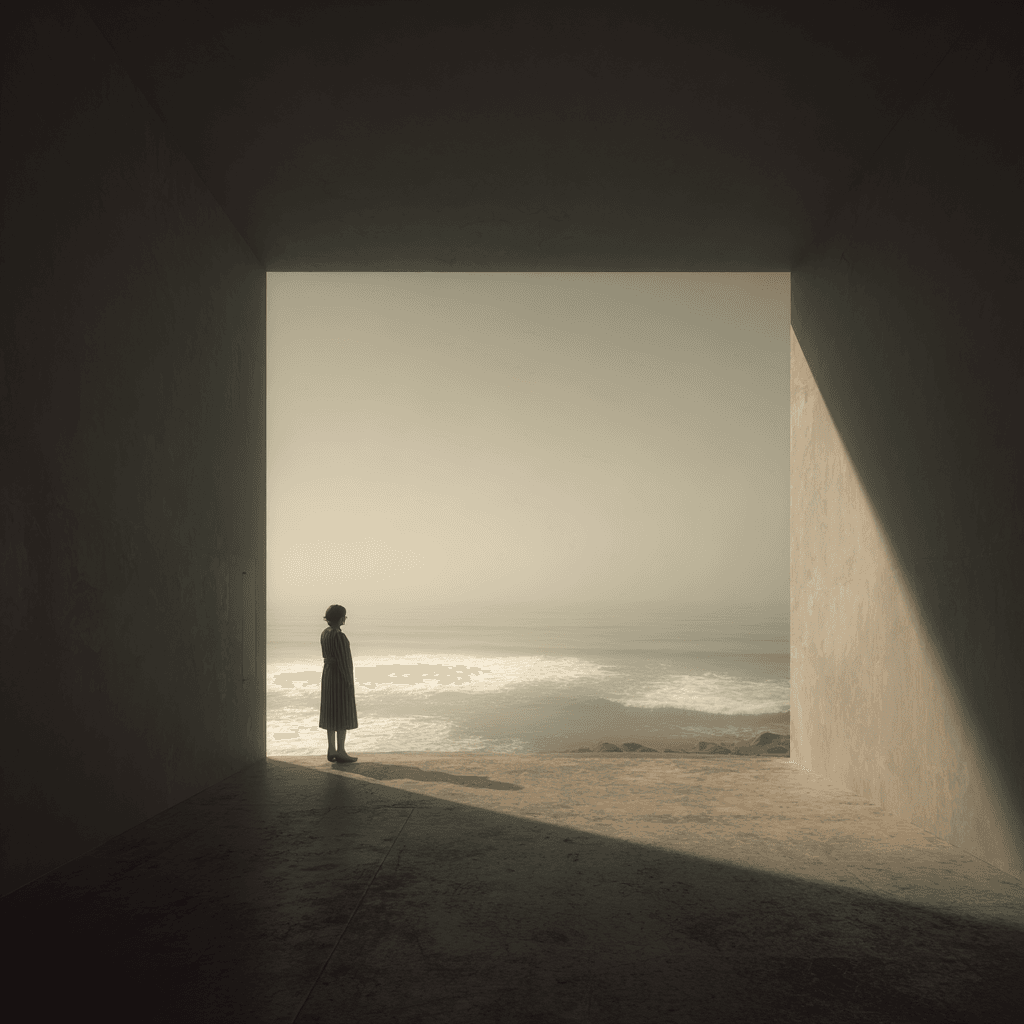
The difference lies in intention. A fine art image is rarely content with recording a subject as it appears. It asks what that subject can mean. A portrait may become a meditation on absence. A still life may evoke memory or tension. A landscape may become a study of solitude. Objects, bodies, shadows, and spaces are no longer only visual elements. They become carriers of ideas.
This does not mean fine art photography must be obscure or intellectualized beyond feeling. On the contrary, the strongest work often combines conceptual rigor with emotional clarity. The viewer may not immediately decode every symbol, yet the image still resonates. There is a sense of coherence, atmosphere, and necessity that gives the work weight. Fine art photography succeeds when it feels intentional without becoming over-explained.
A personal visual language is essential in this category. Technique matters, but it is not enough. Many images can be beautifully executed and still feel anonymous. What distinguishes a fine art photographer is the development of a voice. This voice may emerge through recurring themes, a consistent treatment of light, a specific relationship to the body or space, or an unmistakable emotional tone. Over time, the work becomes recognizable not because it repeats itself, but because it remains faithful to a singular way of seeing.
Editing and sequencing are also central to the fine art process. One image can be powerful on its own, but a body of work gains depth through relationships between images. Themes echo, contrasts develop, and meanings expand. Presentation becomes part of the artistic gesture.
In the end, fine art photography is less about category than about commitment. It asks the artist to move beyond surface beauty and toward a more precise form of expression. It requires patience, honesty, and risk. When it works, the image does not simply please the eye. It leaves a trace in the mind and invites the viewer into a more personal, contemplative space.
Cómo funciona
Desde la inscripción hasta la evaluación del jurado, descubra el recorrido creativo detrás de su participación en AVA.
Elige tu pack
Selecciona el pack de participación que mejor se adapte a tus objetivos. AVA ofrece tres packs únicos: Spotlight, Signature y Prestige.
Crea tu cuenta
Crea tu cuenta AVA y accede a tu espacio personal de miembro para gestionar tu perfil y tus envíos.
Pago seguro
Su pago se procesa a través de un sistema seguro. Una vez confirmado, sus créditos de envío se añaden automáticamente a su cuenta.
Sube tus fotos
Envía tus imágenes según tus créditos disponibles y asegúrate de que tus archivos cumplan con las reglas del concurso AVA.
Evaluación del jurado
Las obras finalistas son revisadas de forma anónima por el jurado de AVA y evaluadas por su visión artística, creatividad, impacto y calidad técnica.
Results & Notification
Los artistas seleccionados y los ganadores son contactados de acuerdo con el calendario oficial del concurso y pueden recibir reconocimiento, publicación y comunicación relacionada con los premios.
COMPETICIÓN
Comments are closed.