Le pouvoir de la narration visuelle dans l’art contemporain
Le pouvoir de la narration visuelle dans l’art contemporain
L’art contemporain ne demande pas toujours à être compris immédiatement. Souvent, il demande d’abord à être ressenti. C’est là que la narration visuelle devient essentielle. Elle permet à une œuvre de dépasser la beauté de surface ou le seul concept pour entrer dans le territoire plus profond de l’émotion, de la mémoire et de l’interprétation.
La narration visuelle ne se limite pas au récit au sens traditionnel. Elle n’exige ni début, ni milieu, ni fin. Dans l’art contemporain, le récit peut émerger de l’atmosphère, du symbolisme, du geste, de la répétition, de l’absence ou de la tension. Une seule image peut suggérer tout un monde intérieur.
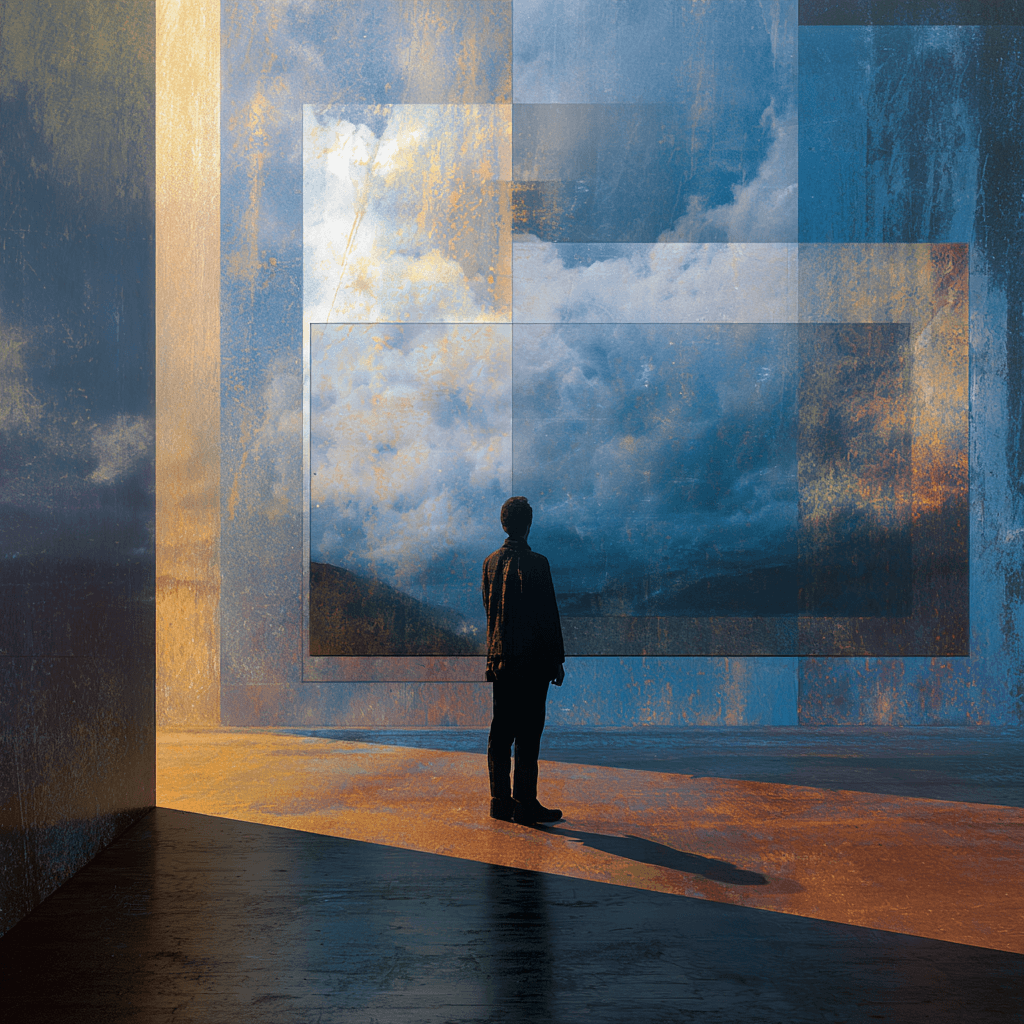
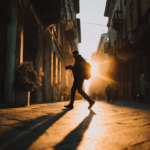
Ce qui donne à une œuvre sa force narrative n’est pas toujours ce qu’elle montre, mais ce qu’elle suggère. Une ombre sur un mur, un dos tourné, un geste inachevé, un objet placé hors contexte : ces fragments peuvent activer l’imagination bien plus puissamment qu’une explication littérale. Le spectateur devient partie prenante du récit en le complétant intérieurement.
Cette qualité participative est l’une des grandes forces de l’art visuel aujourd’hui. À une époque saturée de messages explicites et de bruit numérique continu, l’ambiguïté peut être radicale. Une œuvre qui résiste au décodage instantané demande du temps. Elle ralentit la perception et restaure l’acte de regarder.
La photographie, la peinture, l’installation, l’image de mode et les techniques mixtes puisent toutes dans cette énergie narrative. Chaque médium utilise des outils différents, mais le principe reste semblable : la composition, la couleur, le rythme, l’échelle et le silence contribuent tous au sens.
Les artistes contemporains travaillent aussi de plus en plus entre les disciplines, empruntant au langage cinématographique, à l’esthétique éditoriale, aux références d’archives et aux textures numériques. À mesure que ces vocabulaires convergent, la narration se stratifie. L’œuvre n’est plus enfermée dans une seule tradition visuelle. Elle devient hybride, poreuse et ouverte.
C’est peut-être pour cette raison qu’une narration visuelle forte continue de résonner si profondément. Elle reflète la complexité même de l’expérience contemporaine. L’identité est stratifiée. La mémoire est fragmentée. L’émotion n’est pas linéaire. Les œuvres les plus captivantes ne simplifient pas ces réalités : elles leur donnent forme.
En définitive, la narration visuelle dans l’art contemporain ne consiste pas à donner toutes les réponses au spectateur. Elle crée un espace suffisamment chargé pour susciter une question, suffisamment intime pour réveiller un souvenir et suffisamment précis pour laisser une trace.
Cette trace est souvent ce qui subsiste bien après que l’image a disparu du regard. Elle est la vie silencieuse de l’œuvre après sa contemplation — et le véritable pouvoir de la narration visuelle.
Comment ça marche
De l’inscription à l’évaluation du jury, découvrez le parcours créatif qui se cache derrière votre participation à AVA.
Choisissez votre formule
Choisissez soit un pack de participation ponctuel, soit un abonnement mensuel : Spotlight, Signature ou Prestige.
Créez votre compte
Créez votre compte AVA et accédez à votre espace membre personnel pour gérer votre profil et vos soumissions.
Paiement sécurisé
Votre paiement est traité via un système sécurisé. Une fois confirmé, vos crédits de soumission sont automatiquement ajoutés à votre compte.
Téléchargez vos photos
Soumettez vos images en fonction de vos crédits disponibles et assurez-vous que vos fichiers respectent les règles du concours AVA.
Évaluation du jury
Les œuvres finalistes sont examinées anonymement par le jury d’AVA et évaluées selon leur vision artistique, leur créativité, leur impact et leur qualité technique.
Résultats et notification
Les artistes sélectionnés et les lauréats sont contactés conformément au calendrier officiel du concours et peuvent recevoir une reconnaissance, une publication ainsi qu’une communication liée aux prix.
Comments are closed.