
Fotografía callejera y el pulso de la ciudad
Fotografía callejera y el pulso de la ciudad
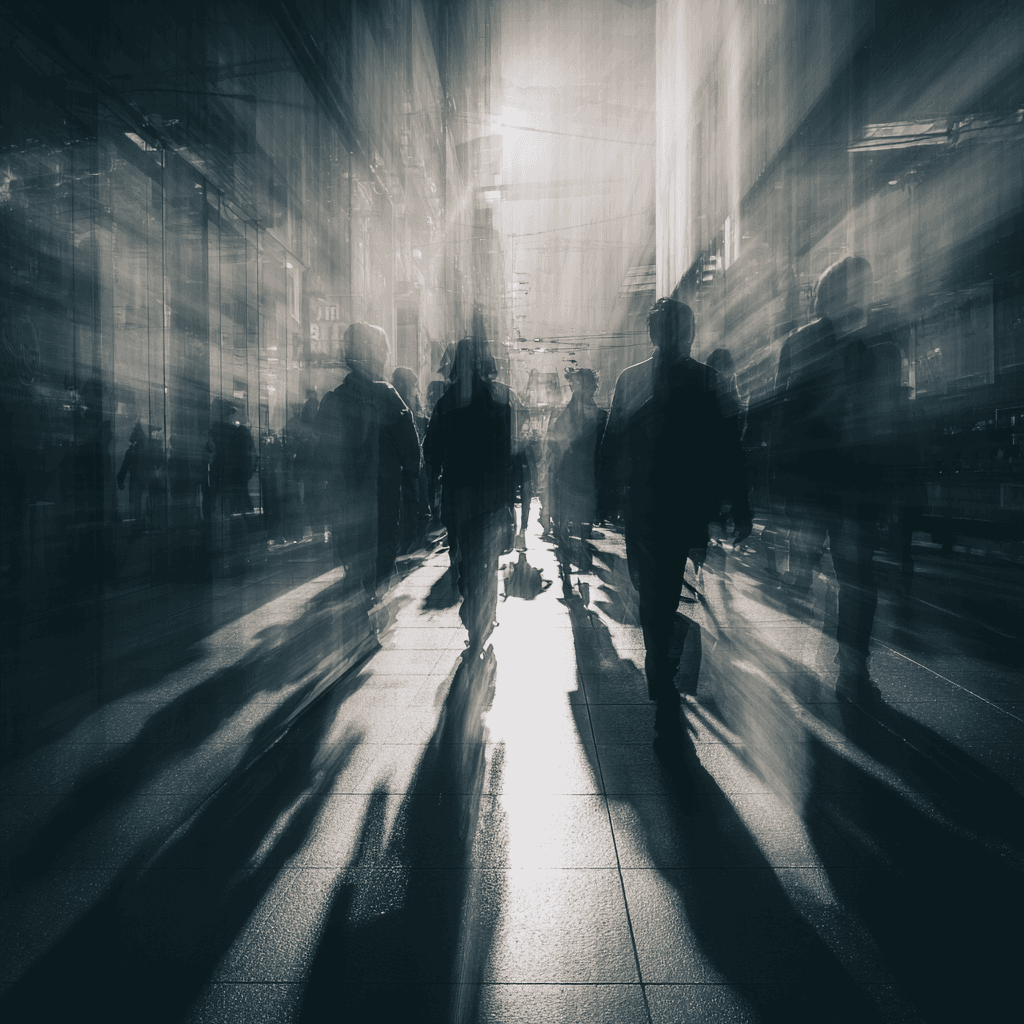
La fotografía callejera es una de las formas más inmediatas e instintivas de creación de imágenes. Se desarrolla en el espacio público, en movimiento, en la imprevisibilidad y en la tensión constante entre lo que se ve y lo que desaparece un segundo después. La ciudad no ofrece pausas, repeticiones ni garantías. Eso es precisamente lo que da energía a la fotografía callejera.
A primera vista, el género puede parecer espontáneo hasta el caos. Sin embargo, las mejores fotografías callejeras rara vez dependen únicamente de la suerte. Suelen construirse con atención, paciencia, sentido del momento y una sensibilidad entrenada para el gesto, la composición y la luz. El fotógrafo callejero aprende a leer el mundo con rapidez. Una silueta que entra en el encuadre, un reflejo en un escaparate, una mano levantada durante una conversación o una figura solitaria cruzando un intenso rayo de sol pueden convertirse en elementos decisivos de una imagen.
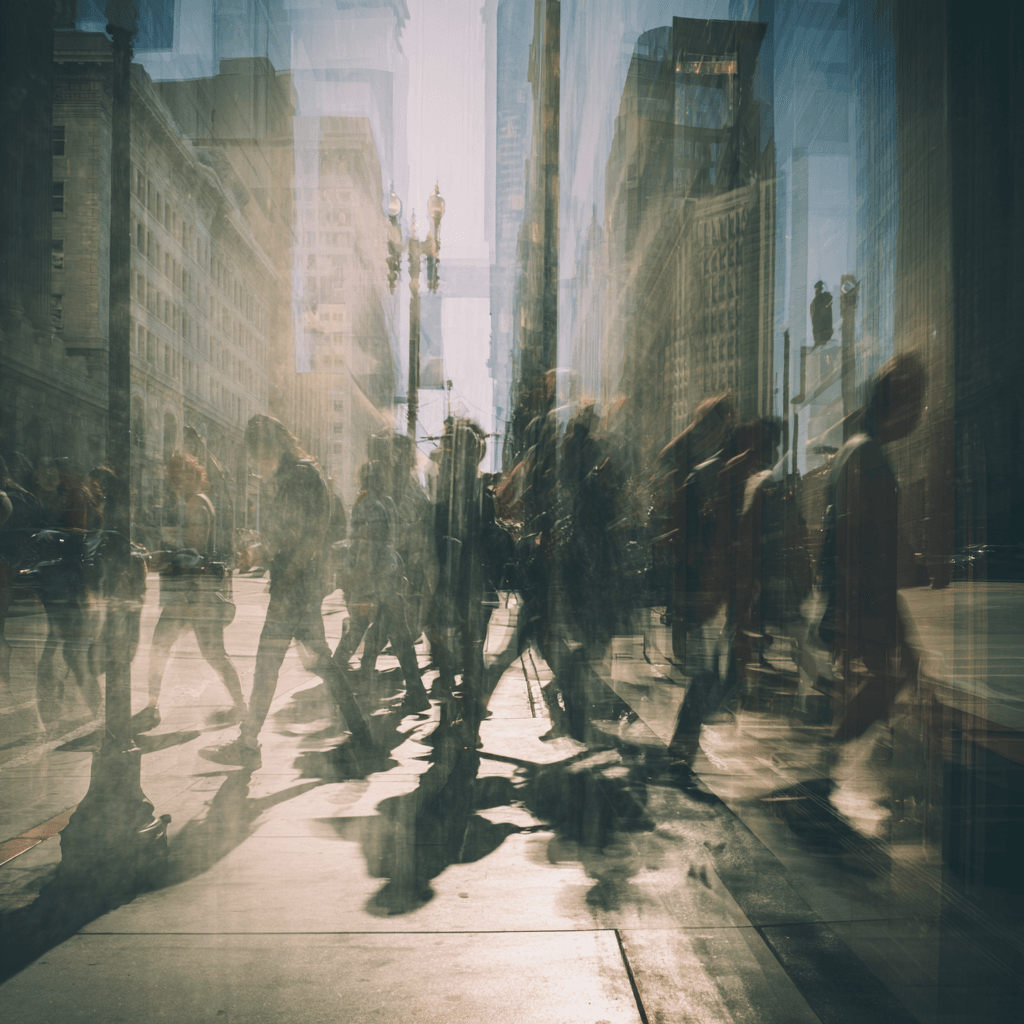
La belleza de la fotografía callejera reside en su capacidad para transformar la vida urbana cotidiana en significado visual. Una ciudad está hecha de repeticiones: semáforos, cruces, escaparates, muros, multitudes, pausas. Pero dentro de esa repetición aparecen momentos de absoluta singularidad. Un niño mira hacia arriba mientras todos los demás miran hacia abajo. Dos desconocidos reflejan la postura del otro sin darse cuenta. Una sombra cae como un telón de teatro. Una breve alineación de cuerpos, objetos y arquitectura produce algo inesperadamente poético.
La luz es fundamental en la calle. El duro sol del mediodía puede crear geometrías y contrastes espectaculares. La lluvia convierte el asfalto en reflejo. La noche transforma escaparates, faros y neones en un teatro visual. Cada condición cambia el ritmo de la ciudad y el tono emocional de las fotografías. El fotógrafo callejero no debe combatir esos cambios, sino trabajar con ellos y permitir que el entorno dé forma a la imagen.
La fotografía callejera también plantea cuestiones de distancia y presencia. El fotógrafo está a la vez dentro y fuera de la escena. Observa sin controlar e interpreta sin escenificar. Esto crea una frágil ética de la mirada. La cámara se convierte en una herramienta de atención y no de intrusión, y las imágenes más poderosas suelen surgir cuando el fotógrafo trabaja con respeto, discreción y auténtica curiosidad.
En definitiva, la fotografía callejera no consiste únicamente en documentar la vida urbana. Busca orden en el movimiento, elegancia en lo accidental y significado en los momentos fugaces. Transforma la ciudad en un lenguaje visual de ritmo, tensión y presencia humana.
Cómo funciona
Desde la inscripción hasta la evaluación del jurado, descubra el recorrido creativo detrás de su participación en AVA.
Elige tu plan
Elige un pack de participación de pago único o una suscripción mensual: Spotlight, Signature o Prestige.
Crea tu cuenta
Crea tu cuenta AVA y accede a tu espacio personal de miembro para gestionar tu perfil y tus envíos.
Pago seguro
Su pago se procesa a través de un sistema seguro. Una vez confirmado, sus créditos de envío se añaden automáticamente a su cuenta.
Sube tus fotos
Envía tus imágenes según tus créditos disponibles y asegúrate de que tus archivos cumplan con las reglas del concurso AVA.
Evaluación del jurado
Las obras finalistas son revisadas de forma anónima por el jurado de AVA y evaluadas por su visión artística, creatividad, impacto y calidad técnica.
Résultados y notificación
Los artistas seleccionados y los ganadores son contactados de acuerdo con el calendario oficial del concurso y pueden recibir reconocimiento, publicación y comunicación relacionada con los premios.

SOBRE NOSOTROS
COMPETICIÓN
INFORMACIÓN LEGAL

Comments are closed.