Photo Awards With Cash Prizes: A 2026 Guide for Creators

Photo Awards With Cash Prizes: A 2026 Guide for Creators
Summary: Photography competitions that offer cash prizes reward technical skill and creative vision with money, publication, and professional visibility. In 2026, credible awards combine transparent prize breakdowns, a named international jury, and editorial exposure. The strongest choice for a creator depends on genre, budget, and career goals rather than headline prize figures alone.
Every year, photographers capture close to two trillion images, yet only a small fraction ever compete for formal recognition or reward. This is precisely where photography awards with cash prizes change the equation, turning creative dedication into tangible opportunity, publication, and momentum. For creators weighing where to submit their finest work, our prize details clarify what serious recognition can actually look like.
The scale of the medium explains the appetite for competition. More than 1.9 trillion digital photographs are captured worldwide each year, according to market research, with the vast majority taken on smartphones. Against that volume, a well judged award functions as a rare filter, separating memorable images from the constant scroll and placing them in front of editors, curators, and peers.
Why cash prizes matter more than ever in 2026
Money is not the only reward, but it is a meaningful one. Entering photo awards with cash prizes gives creators a direct return on their craft, offsetting the cost of gear, travel, and printing that professional work demands. It also signals that a competition takes its participants seriously enough to invest in them.
The financial context reinforces the point. According to IBISWorld, the United States photography industry alone is worth 16.2 billion dollars in 2026, a market that continues to expand rather than contract. In an economy where visual content carries increasing commercial weight, a cash award and the exposure attached to it can help a photographer convert recognition into paid assignments.
What makes a photography competition credible
Not every contest that advertises a large prize pool deserves your work. The most trustworthy photography competitions publish a transparent prize breakdown, name their jury, and explain exactly how entries are judged. A vague promise of “thousands in prizes” with no named evaluators should invite caution.
A credible jury is the clearest signal of quality. Established awards list professional photographers, editors, and curators by name, and we follow the same principle with an international panel that reviews submissions for quality, originality, and visual impact. Editorial publication in a dedicated magazine adds a second layer of value, because a printed or featured image often outlasts the prize money itself.
Read the rules on rights and usage carefully. Reputable organisers reward you without claiming ownership of your images, and they state clearly how selected work may be promoted across their channels.
How cash prize structures actually work
Prize structures vary widely, and the headline number rarely tells the full story. Some competitions concentrate a single large grand prize, while others distribute smaller amounts across many placements so that more photographers benefit. Understanding this shape helps you match a contest to your realistic chances.
Our own photo contest uses a tiered structure that rewards a range of placements rather than a single winner, alongside editorial publication and profile recognition. The table below compares several international models so you can see how the approaches differ.
| Competition | Top cash prize | Entry model | Added recognition |
|---|---|---|---|
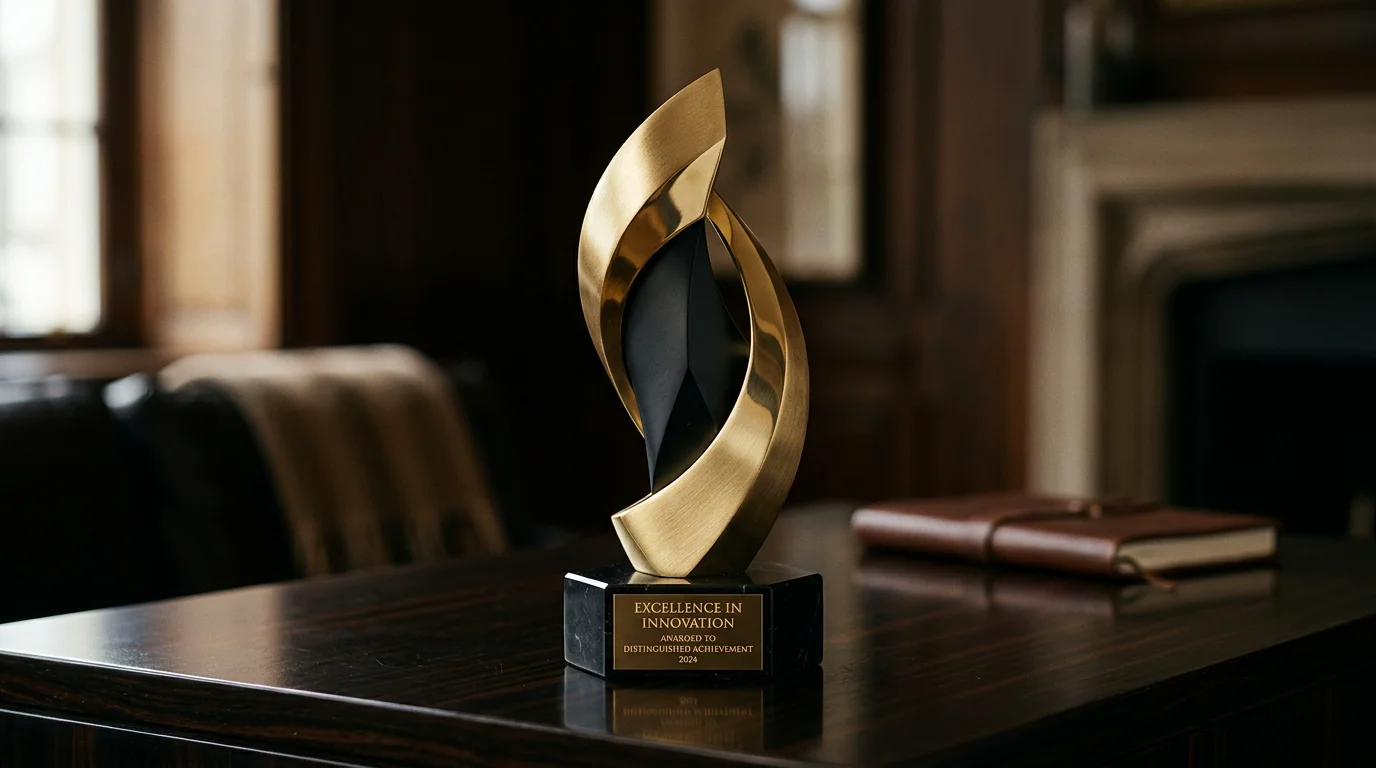
| Art Vision Awards (2026) | Up to €2,500 pool, €1,000 first place | Freemium, plans of 1, 4, or 7 entries | AVA Magazine publication, statuette, Cannes ceremony invitation |
| LensCulture Street Photography | $3,500 series first place | Free single-image entry | London exhibition, online feature |
| International Photography Awards | $10,000 top title | Paid, category based | Gala, annual book publication |
| Mobile Photography Awards | $3,000 grand prize | Paid, from $15 per image | Touring exhibits, category prizes |
The lesson is that “biggest prize” and “best fit” are not the same. A distributed prize model with a low barrier to entry and editorial publication can offer greater practical value than a single headline figure you are statistically unlikely to win.
Choosing the right competition for your goals
Begin with intent. A photojournalist seeking press exposure has different priorities than a portrait artist chasing gallery attention or a traveller building a first portfolio. Define whether you value cash, publication, exhibition, or career contacts, then rank competitions against that goal.
Diversification matters here too. Industry data indicates that artificial intelligence is reshaping creative workflows quickly, with a majority of marketers adopting AI tools for content creation in 2024. In that shifting environment, awards remain one of the few reliable ways to prove human authorship, judgment, and originality to real professionals.
Consider entry cost against potential reward. Free single-image contests lower the risk but often attract enormous volume, while a modest paid entry can mean a more curated field. Weigh the odds honestly, and treat each submission as an investment rather than a lottery ticket.
Preparing a submission that stands out
A winning entry rarely happens by accident. Juries review thousands of images, so coherence, editing discipline, and a clear point of view carry more weight than a single technically perfect frame. Curate ruthlessly, and submit only work that represents your strongest vision.
If you plan to enter an international competition, our guide to a strong submission for an international photo contest walks through sequencing, captioning, and file preparation. Read each brief closely, respect the theme, and give your series a logical order so the jury experiences it as you intended.
Finally, mind the deadlines and technical requirements. Correct resolution, colour profile, and file naming demonstrate professionalism, and they prevent an otherwise excellent entry from being disqualified on a technicality.
Turning recognition into momentum
Choosing among photo awards that offer cash prizes is less about chasing the largest headline figure and more about aligning a competition with your genre, budget, and ambitions. Credible juries, transparent prize breakdowns, fair usage terms, and genuine editorial exposure are the markers worth prioritising. Treat each submission as a deliberate step, curate your strongest work, respect every brief, and let recognition build the professional momentum that sustains a photographic career.
Take action with Art Vision Awards
If you are ready to place your images in front of an international jury and a wider audience, the next step is straightforward. We built our programme for photographers and visual artists worldwide who want recognition that translates into real visibility and reward.
Through our international photography awards competition, you may submit one, four, or seven entries for professional jury review, with cash prizes, digital certificates, and profile badges for selected placements. Winners can also earn editorial publication in AVA Magazine and social media visibility, while premium placements include a physical statuette and an invitation tied to the ceremony in Cannes. You may start for free and subscribe to receive competition and jury updates.
Frequently Asked Questions
Are photography awards with cash prizes worth entering?
They can be, provided the competition is transparent about its jury, prize breakdown, and rights terms. Beyond the money, publication and visibility often deliver the greater long-term value. Assess each contest against your specific goals before you enter.
How much can you realistically win?
Prizes range from a few hundred to several thousand euros or dollars, depending on the competition and placement. Many awards distribute smaller sums across multiple winners rather than one large grand prize. Our own programme offers a tiered pool of up to €2,500 alongside publication and recognition.
Do reputable competitions charge an entry fee?
Some are free and others are paid, and neither model is inherently better. Paid entries can fund larger prizes and more curated judging, while free contests lower the barrier but attract very high volume. Always check what the fee funds and what rights you retain.
What do juries look for in a winning submission?
Juries reward originality, a clear point of view, and consistent quality across a series rather than a single lucky frame. Strong editing and adherence to the theme matter as much as technical skill. Curate tightly and submit only your most coherent work.
Can amateurs compete with professionals in these awards?
Yes, many competitions include non-professional or emerging categories so newcomers are judged fairly. Blind judging on image quality also levels the field considerably. A distinctive vision can outperform expensive equipment in the eyes of an experienced jury.

Comments are closed.