
Cómo las imágenes de viaje se convierten en relatos visuales
Cómo las imágenes de viaje se convierten en relatos visuales
La fotografía de viajes adquiere todo su sentido cuando va más allá de la simple documentación y entra en el terreno del relato. Un destino puede ser visualmente impresionante, pero una fotografía poderosa hace mucho más que demostrar que un lugar existe. Capta cómo se siente ese lugar, cómo se mueve, cómo respira y qué huella emocional deja.
Muchos fotógrafos comienzan su trabajo de viaje centrándose en vistas emblemáticas. Es comprensible. Los monumentos y los grandes paisajes forman parte de la identidad de un lugar. Sin embargo, un relato visual no puede sostenerse solo en ellos. Gana profundidad gracias a momentos secundarios: un camarero preparando una mesa al amanecer, una persiana entreabierta bajo el calor, ropa moviéndose al viento, pasos en un callejón, un rostro fugaz, fruta en un puesto del mercado local o lluvia contra la ventanilla de un taxi. Estos fragmentos crean una verdad emocional.
La fotografía de viajes alcanza su mayor fuerza cuando se secuencia como un recuerdo y no como un inventario. No recordamos un viaje únicamente por sus principales atracciones. Recordamos la luz, los aromas, las texturas, la atmósfera, el cansancio, la belleza, la sorpresa y el silencio. La cámara puede conservar esas sensaciones si el fotógrafo aprende a observar con paciencia e intención.
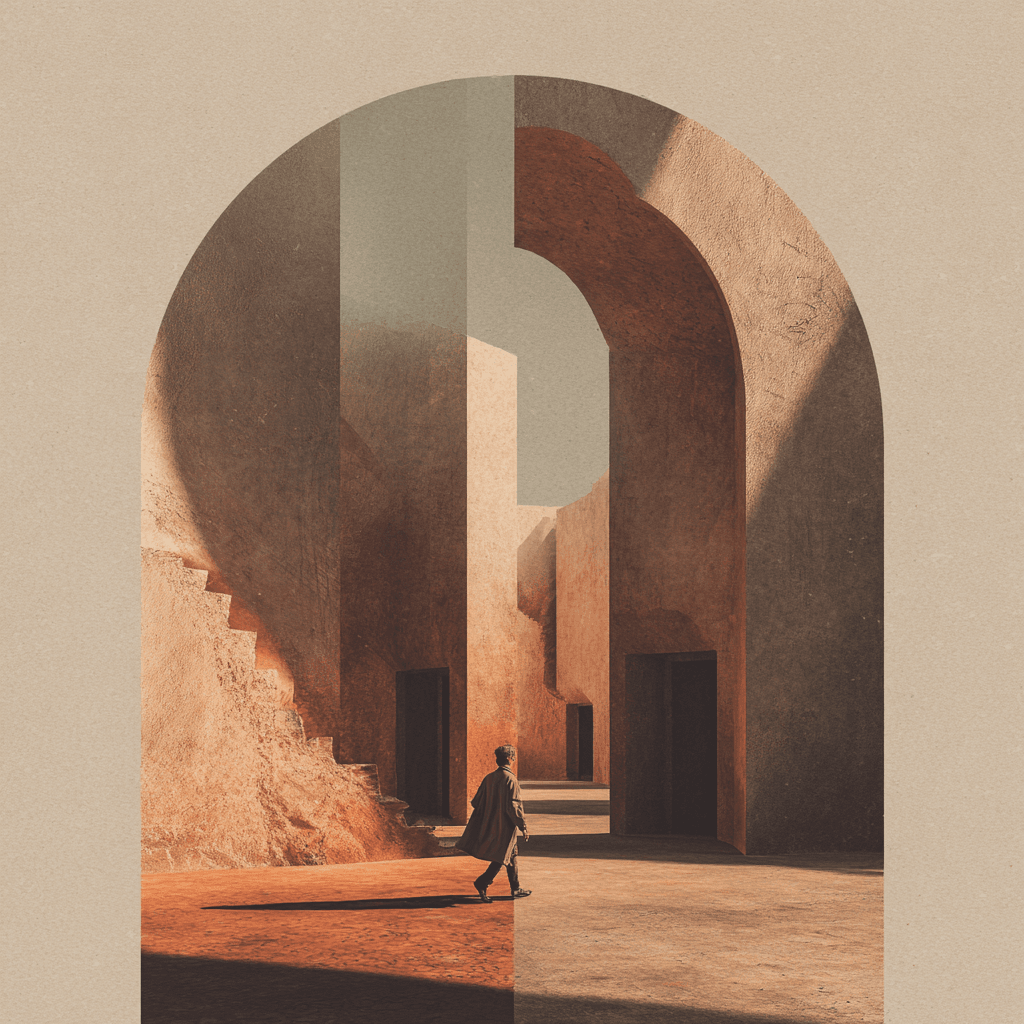
En la fotografía de viajes, la composición debe permanecer abierta al descubrimiento. Algunas imágenes exigen una precisión arquitectónica depurada. Otras dependen de una complejidad por capas, con movimiento y detalles superpuestos. Lo importante es dejar que el lugar sugiera el ritmo del encuadre. Cada destino tiene su propio tempo visual. Una ciudad del desierto, un puerto concurrido, una carretera de montaña o un pueblo costero no piden ser fotografiados de la misma manera.
Los mejores fotógrafos de viajes también saben equilibrar la distancia y la inmersión. Deben mantenerse receptivos al lugar sin imponerle un control excesivo. Por eso la curiosidad importa tanto como la destreza técnica. Un buen objetivo puede captar la escena, pero solo la atención permite revelar lo que de verdad importa en ella.
En un contexto editorial, las imágenes de viaje adquieren aún más fuerza cuando combinan atmósfera y refinamiento. Deben transportar al espectador sin perder claridad visual ni elegancia. La imagen debe sentirse vivida, pero también cuidadosamente pensada.
En definitiva, la fotografía de viajes no consiste en coleccionar destinos. Se trata de crear una memoria visual con una estructura emocional. Cuando está bien realizada, permite que un lugar siga vivo mucho después de que termine el viaje, no como una postal, sino como una historia.
Cómo funciona
Desde la inscripción hasta la evaluación del jurado, descubra el recorrido creativo detrás de su participación en AVA.
Elige tu plan
Elige un pack de participación de pago único o una suscripción mensual: Spotlight, Signature o Prestige.
Crea tu cuenta
Crea tu cuenta AVA y accede a tu espacio personal de miembro para gestionar tu perfil y tus envíos.
Pago seguro
Su pago se procesa a través de un sistema seguro. Una vez confirmado, sus créditos de envío se añaden automáticamente a su cuenta.
Sube tus fotos
Envía tus imágenes según tus créditos disponibles y asegúrate de que tus archivos cumplan con las reglas del concurso AVA.
Evaluación del jurado
Las obras finalistas son revisadas de forma anónima por el jurado de AVA y evaluadas por su visión artística, creatividad, impacto y calidad técnica.
Résultados y notificación
Los artistas seleccionados y los ganadores son contactados de acuerdo con el calendario oficial del concurso y pueden recibir reconocimiento, publicación y comunicación relacionada con los premios.

SOBRE NOSOTROS
COMPETICIÓN
INFORMACIÓN LEGAL

Comments are closed.