
Por qué el blanco y negro sigue siendo atemporal
Por qué el blanco y negro sigue siendo atemporal
La fotografía en blanco y negro sigue ocupando un lugar singular en la cultura visual contemporánea. En una época saturada de color, filtros e interminables efectos digitales, el monocromo conserva una autoridad poco común. Elimina distracciones, agudiza la percepción y devuelve la imagen a sus elementos más esenciales: luz, contraste, textura, forma y emoción.
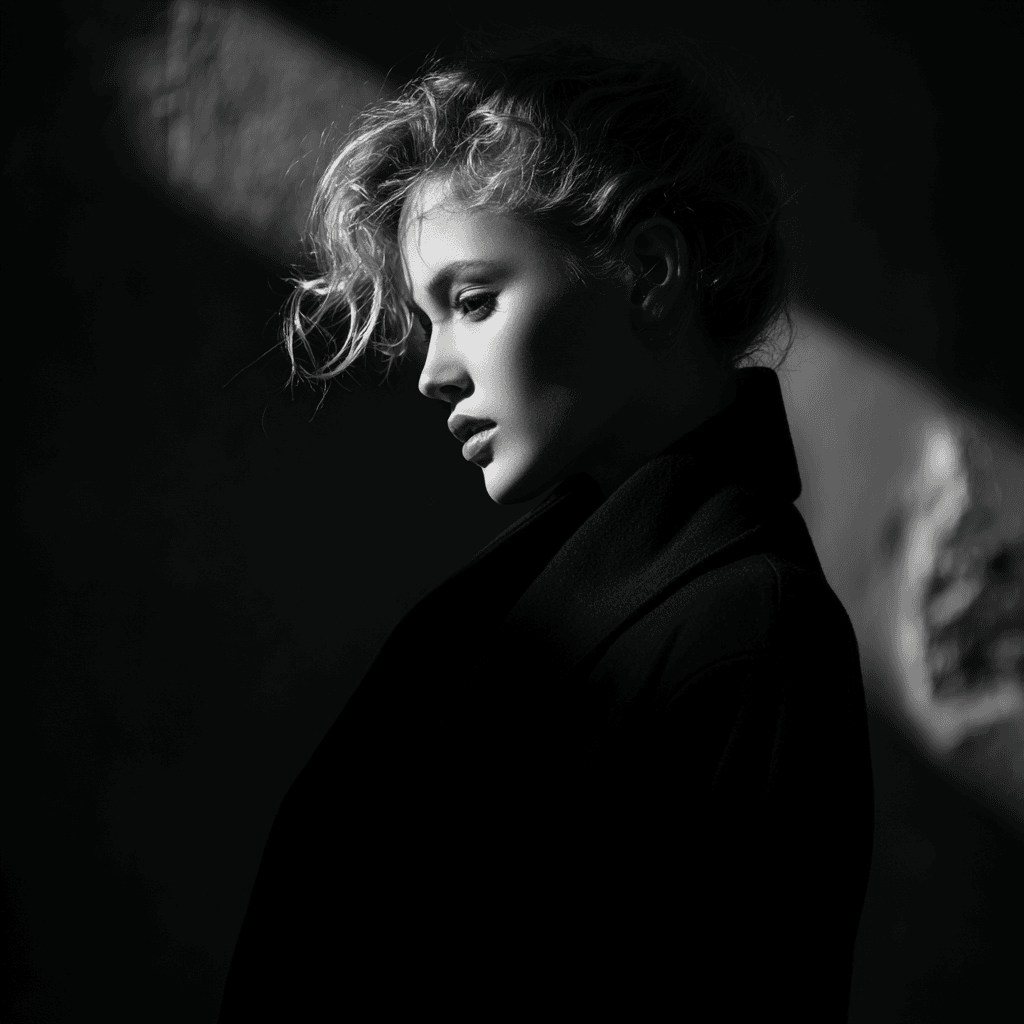
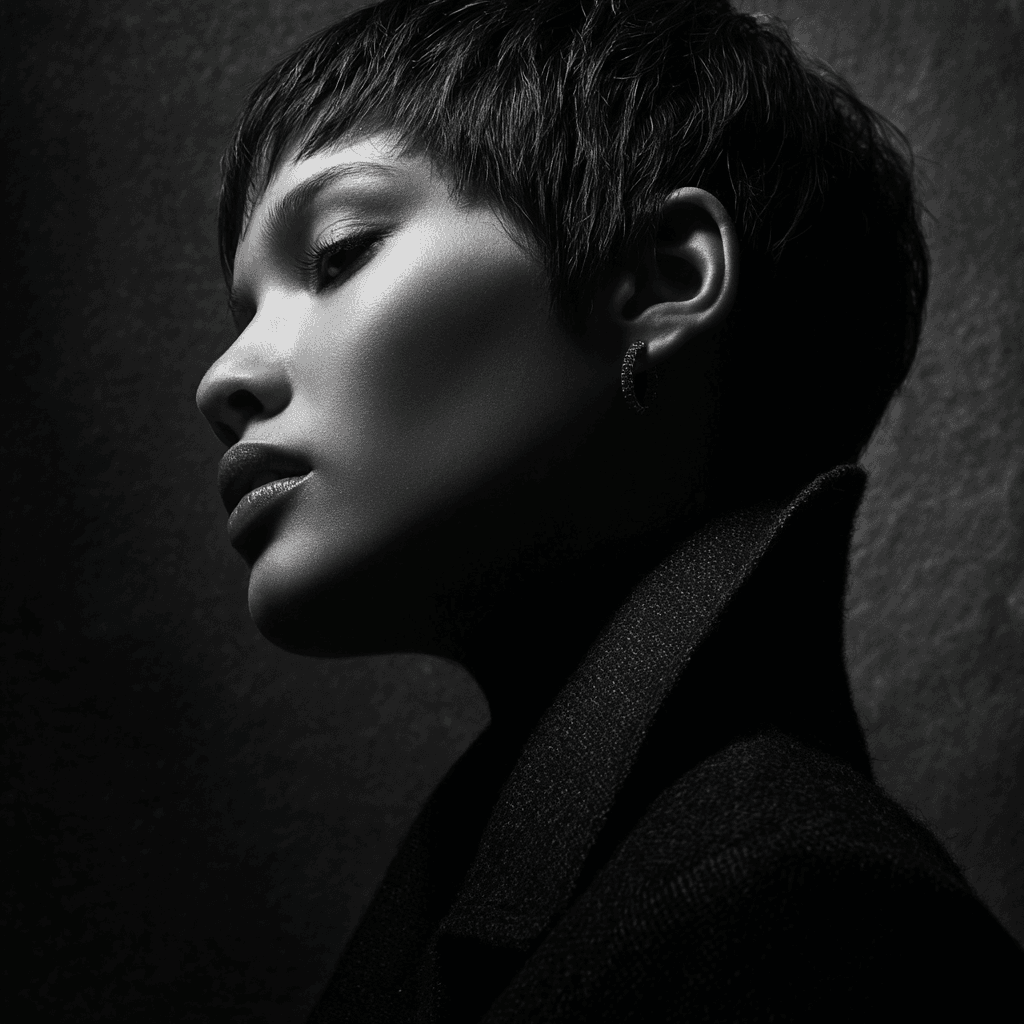
Una de las razones por las que el blanco y negro sigue resultando tan fascinante es que cambia nuestra forma de mirar. Sin el color para guiar o seducir al ojo, prestamos más atención a la estructura. Percibimos el peso de las sombras, la dirección de la luz, la tensión de un gesto, el grano de una superficie o la arquitectura de un rostro. Lo que en color puede parecer cotidiano se vuelve de pronto profundo en monocromo, porque la imagen debe apoyarse en la composición y el tono.
Esta reducción no simplifica una fotografía; al contrario, suele darle mayor profundidad. El blanco y negro tiene la capacidad de introducir silencio en una imagen. Puede hacer que un retrato resulte más introspectivo, un paisaje más dramático, una escena callejera más gráfica y un detalle más escultórico. Elimina el ruido visual y permite que aumente la intensidad emocional. Esto es especialmente cierto cuando el fotógrafo comprende el equilibrio tonal. Un buen monocromo no es simplemente color eliminado, sino una construcción deliberada de valores de luz.
En el retrato, el blanco y negro puede revelar el carácter con una sinceridad poco habitual. La piel se convierte en textura, los ojos en estructura y la expresión adquiere mayor protagonismo. En la fotografía documental o callejera, puede unificar escenas complejas y crear cohesión visual allí donde el color podría fragmentar la composición. En el Fine Art, el blanco y negro introduce una sensación de intemporalidad que suele resistir las tendencias.
Sin embargo, el blanco y negro nunca debería utilizarse como un atajo fácil hacia la seriedad. No todas las imágenes mejoran en monocromo. La elección debe estar al servicio del tema. Algunas fotografías necesitan la información emocional que aporta el color; otras ganan fuerza cuando esa información desaparece. La decisión debe surgir de una necesidad visual, no de la costumbre.
El poder duradero de la fotografía en blanco y negro reside en esta disciplina. Exige más tanto del fotógrafo como del espectador. Nos invita a leer una imagen más despacio, con mayor profundidad y, a menudo, con más emoción. Por eso, a pesar de todos los cambios tecnológicos y estilísticos, el blanco y negro sigue siendo uno de los lenguajes más puros y elegantes de la fotografía.
Cómo funciona
Desde la inscripción hasta la evaluación del jurado, descubra el recorrido creativo detrás de su participación en AVA.
Elige tu plan
Elige un pack de participación de pago único o una suscripción mensual: Spotlight, Signature o Prestige.
Crea tu cuenta
Crea tu cuenta AVA y accede a tu espacio personal de miembro para gestionar tu perfil y tus envíos.
Pago seguro
Su pago se procesa a través de un sistema seguro. Una vez confirmado, sus créditos de envío se añaden automáticamente a su cuenta.
Sube tus fotos
Envía tus imágenes según tus créditos disponibles y asegúrate de que tus archivos cumplan con las reglas del concurso AVA.
Evaluación del jurado
Las obras finalistas son revisadas de forma anónima por el jurado de AVA y evaluadas por su visión artística, creatividad, impacto y calidad técnica.
Résultados y notificación
Los artistas seleccionados y los ganadores son contactados de acuerdo con el calendario oficial del concurso y pueden recibir reconocimiento, publicación y comunicación relacionada con los premios.

SOBRE NOSOTROS
COMPETICIÓN
INFORMACIÓN LEGAL
Comments are closed.