Delphine Blast Interview 2026: Flowers, Identity and Vision
Delphine Blast Interview 2026: Flowers, Identity and Vision
Summary: Delphine Blast’s 2026 work turns Colombia’s flower industry into a study of beauty, labor, and transformation. Her series Flowers of Evil extends a practice built around identity, gender, representation, and close collaboration with subjects. The project also shows how documentary photography can incorporate staging, studio methods, and visual intervention without losing its social purpose.
The most useful answer to the Delphine Blast interview 2026 query is not a recycled biography. It is an examination of how her current series, Flowers of Evil, develops questions that have shaped her practice for years. Readers interested in how photographers approach social narratives can also explore our documentary photography awards as a related point of reference.
Blast remains interested in people, communities, and the systems that shape their identities. Her official biography describes a practice that moves between documentary, social, and artistic photography, combining fieldwork with staged scenes, participatory methods, and carefully controlled color. That combination gives her images a distinctive tension between observation and construction, a tension that defines her 2026 direction.
What is Delphine Blast working on in 2026?
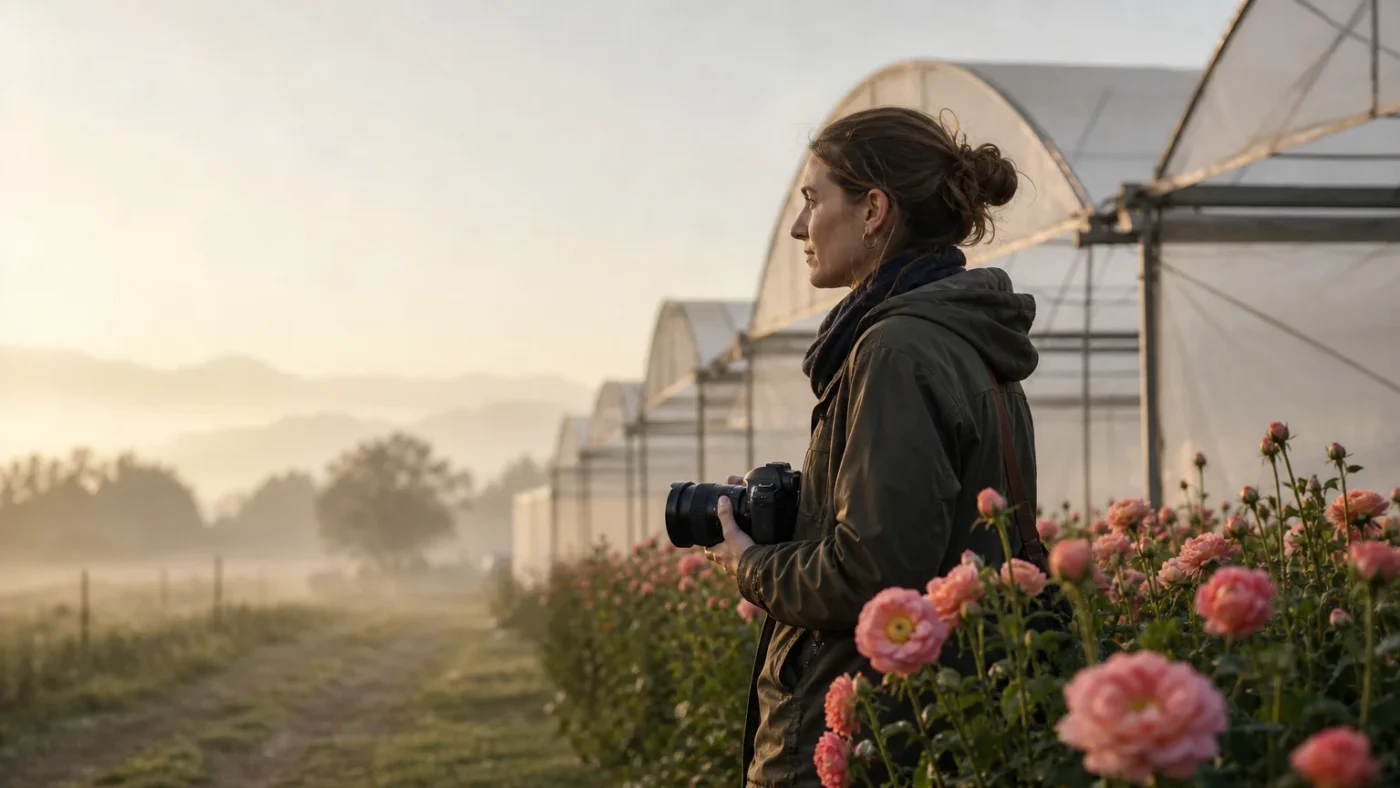
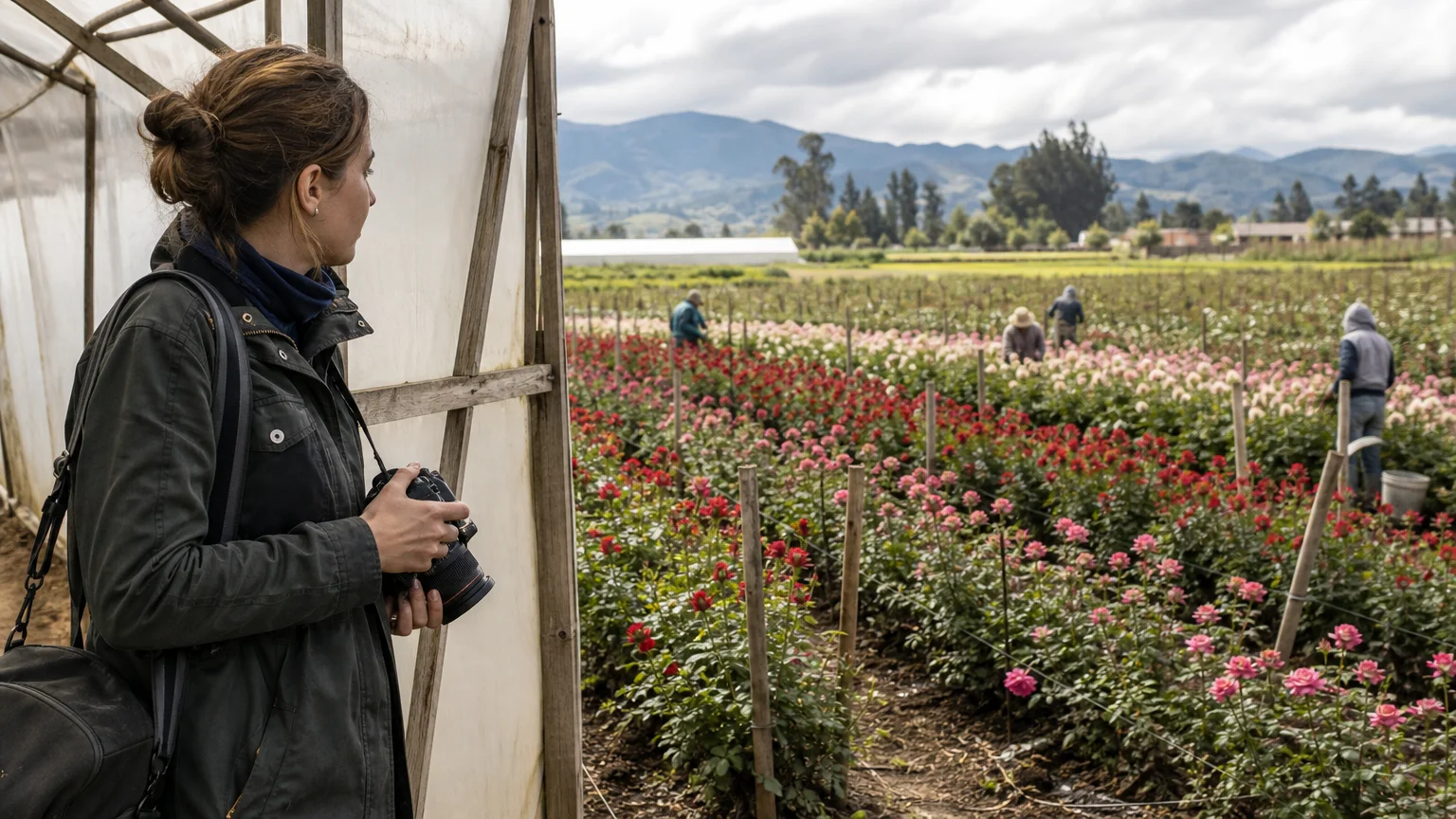
In 2026, Delphine Blast is presenting Flowers of Evil, also referred to in English as Flowers of Evil. The series developed from visits to large flower farms near Bogotá and Medellín in 2022 and 2025. Her attention moved from workers and their repetitive gestures toward the hidden processes that alter flowers for international markets.
The project begins with a familiar symbol of beauty, then gradually complicates it. Flowers appear fragile, vibrant, and desirable, yet their appearance can also reveal chemical treatment, industrial control, and the pressure to satisfy aesthetic expectations. Blast uses that contradiction as the central structure of the work.
The series is especially relevant to a 2026 discussion because it expands her established interest in gender, labor, identity, and representation. Instead of treating flowers as decorative subjects, Blast makes them evidence of a wider system. The living world becomes both the image and the subject of transformation.
How does Flowers of Evil turn beauty into evidence?
Blast’s method is not based on beauty alone. She uses beauty as an entry point, then introduces signs of unease. The flower can be photographed as a delicate object, but also as a body shaped by intervention. This dual reading prevents the series from becoming a simple critique of agriculture or consumer taste.
According to the Bourse du Talent page, the series combines documentary photography, staged portraits, studio images, and photographic negatives. These approaches create different levels of distance. Documentary images suggest physical and social reality, while studio photographs create a more deliberate, almost clinical encounter with the subject.
The use of negatives is particularly significant. It shifts the flowers away from conventional color photography and toward an appearance associated with scientific records, medical images, or specimens under examination. The result is visually controlled but emotionally unsettled. The viewer is invited to consider what has been changed, removed, or concealed before the image appears.
This approach also raises an ethical question. Can an image criticize aesthetic manipulation while remaining visually attractive? Blast does not resolve that contradiction. Instead, she allows the viewer to experience fascination and discomfort at the same time.
Why does her practice cross documentary and staged photography?
Blast’s work is difficult to place inside one strict category. Her official biography presents photography, staging, artistic intervention, and participatory practice as connected parts of the same visual language. That flexibility matters because social subjects rarely fit into a single formal method.
A portrait may require time, conversation, and trust. A documentary scene may need context that cannot be communicated through observation alone. A staged image can make an invisible structure visible, especially when the subject concerns identity, expectation, or social performance.
Earlier interviews with Blast also emphasize patience and attention during portrait sessions. She has described taking time to observe and speak with people before making photographs. In that sense, the camera becomes a reason for encounter rather than the sole purpose of the meeting.
The distinction between documentary and art photography is therefore less important than the relationship created through the process. Blast’s images often begin with real places and real people, but they develop through collaboration, selection, arrangement, and interpretation. The final photograph is neither a neutral record nor a purely invented scene.
For photographers thinking about that balance, our portrait photography and presence editorial perspective offers a useful parallel. It focuses on how attention, atmosphere, and human presence can shape the meaning of a portrait.
How do Latin American projects shape her visual vocabulary?
Blast’s work in Latin America has developed across several subjects, including coming-of-age rituals, Indigenous communities, women’s social roles, and cultural traditions. Her projects on Quinceañeras, Bolivian Cholitas, and Zapotec women examine how identity is presented, inherited, negotiated, and sometimes resisted.
These projects are not connected only by geography. They share an interest in the space between private identity and public image. Clothing, ceremonies, gestures, and domestic environments become ways to understand how people position themselves within a community.
Color is another recurring element. In earlier portrait projects, saturated colors and elaborate visual arrangements created a strong sense of presence. In Flowers of Evil, color remains important, but it becomes more unstable. Brightness attracts the viewer before the industrial and environmental implications become clear.
That development suggests a broader shift in Blast’s practice. She continues to photograph human and social realities, but she increasingly connects them with ecological systems and material processes. The question is no longer only how people are represented. It is also how living matter is modified to satisfy cultural desire.
What do earlier interviews reveal about her approach?
Earlier conversations with Blast provide useful context for reading her 2026 work. She has repeatedly described photography as a way to meet people, enter unfamiliar environments, and explore stories that cannot be understood from a distance.
Her influences include photographers who combine intimacy with cultural attention. She has spoken about the importance of images that reveal both vulnerability and strength, rather than reducing people to symbols of hardship or difference.
Humility is another recurring principle in her responses. For Blast, technical control matters, but it does not replace listening. A successful photograph must carry emotion, atmosphere, and a story that continues beyond what is immediately visible.
This perspective helps explain why her work often moves slowly. The images may be carefully composed, yet they do not feel detached from lived experience. Their formal qualities are used to deepen the subject rather than to dominate it.
In a 2026 professional update, Blast announced that Flowers of Evil had been selected as a finalist for the Bourse du Talent 2026. Her 2026 project announcement also connects the series to a residency with the Alianza Francesa of Medellín and to collaborators who supported its development.
What can photographers learn from Delphine Blast in 2026?
Blast’s current work offers several practical lessons for photographers developing long-term projects. The first is to remain open to a subject changing during fieldwork. She began with workers and labor conditions, then followed the visual and symbolic clues that led toward the flowers themselves.
The second lesson concerns method. A project can combine observation, portraiture, staging, studio work, and archival or negative processes when each method answers a different question. Variety is useful when it strengthens the narrative rather than simply adding visual effects.
The third lesson is to treat beauty critically without rejecting it. Blast does not avoid attractive images. She examines why certain forms are considered attractive, who benefits from that attraction, and what kinds of labor or transformation remain invisible behind it.
Finally, her work shows the importance of sustained engagement. Strong visual storytelling often depends on returning to a subject, building relationships, and allowing new questions to emerge. Photographers seeking to evaluate their own work can also consider our human presence portrait winners for examples of how personal attention can shape a finished image.
How should viewers read the 2026 series?
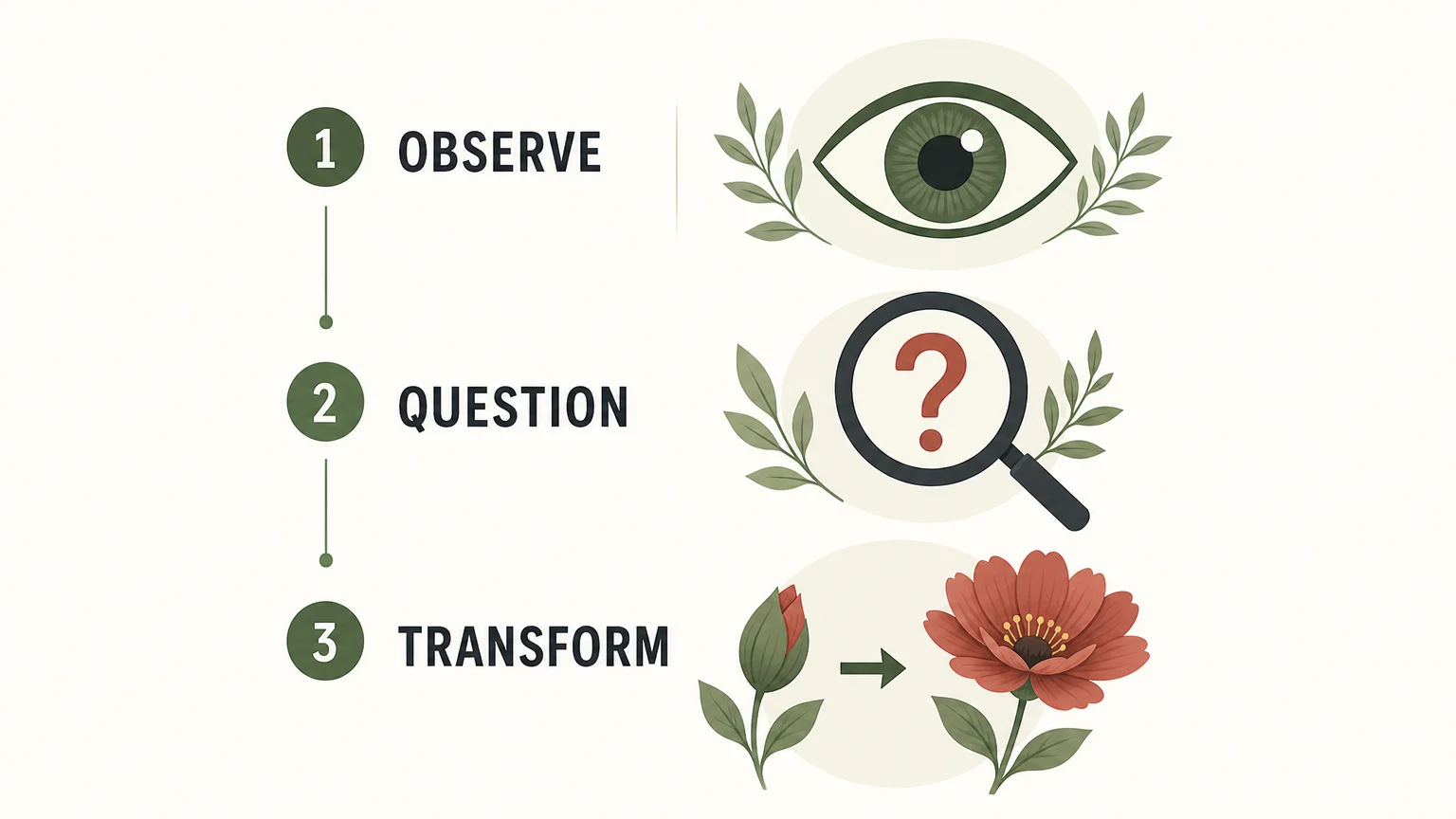
A useful reading of Flowers of Evil begins with observation. Notice the colors, textures, gestures, and visual seduction before searching for a message. The series first asks the viewer to look closely.
The second step is to question the image. What has been cultivated, corrected, treated, or removed? Which forms of labor remain visible, and which remain outside the frame? These questions move the work from aesthetic appreciation toward social and environmental reflection.
The final step is to consider transformation. The flowers are not only altered objects. They become a metaphor for systems that reshape bodies, landscapes, identities, and expectations. This is where Blast’s documentary and artistic methods converge.
The project does not offer a simple opposition between natural and artificial. It shows how closely those categories can become entangled. Its force comes from that uncertainty, because the viewer must recognize both the pleasure of the image and the violence that may support it.
What the 2026 perspective makes clear
Delphine Blast interview 2026 is best understood through the evolution of her visual questions. Flowers of Evil continues her attention to identity, labor, gender, and representation, while extending those concerns into ecological and material transformation. Her practice demonstrates that documentary photography can remain grounded in fieldwork while using staging, color, and formal construction to create deeper reflection. For viewers and photographers alike, the series offers a reminder that beauty is never entirely innocent, and that careful looking can reveal the systems behind an image.
Take action with Art Vision Awards
Blast’s work shows how a coherent photographic project can connect personal presence, social observation, and a strong visual language. If you are developing your own series, thoughtful review and professional visibility can help clarify how your images communicate.
At Art Vision Awards, we connect photographers and visual creators with professional jury review, photography competitions, awards, and editorial opportunities. To explore interviews with creative voices and discover how photographers discuss their process, visit our photography interviews.
Frequently Asked Questions
What is Delphine Blast’s main 2026 project?
Her main publicly documented 2026 project is Flowers of Evil. The series examines Colombian flower production, aesthetic transformation, labor, and the tension between beauty and silent violence.
Is Flowers of Evil documentary photography?
The series combines documentary photography with staged portraits, studio images, and photographic negatives. Its hybrid method allows Blast to connect observed realities with symbolic and conceptual forms.
Where was the project made?
Blast developed the project through visits to flower farms around Bogotá and Medellín. The available project description identifies fieldwork in Colombia during 2022 and 2025.
What subjects define Delphine Blast’s photography?
Her work often addresses identity, representation, gender, empowerment, cultural traditions, and social inequality. She frequently focuses on people and communities whose experiences are simplified or overlooked.
How can photographers develop a similar level of visual coherence?
Begin with sustained research, careful listening, and a clear question rather than a predetermined image style. You can then select the photographic methods, color choices, and forms of staging that best serve the subject.

Comments are closed.