Photographing Events With Style and Precision
Photographing Events With Style and Precision
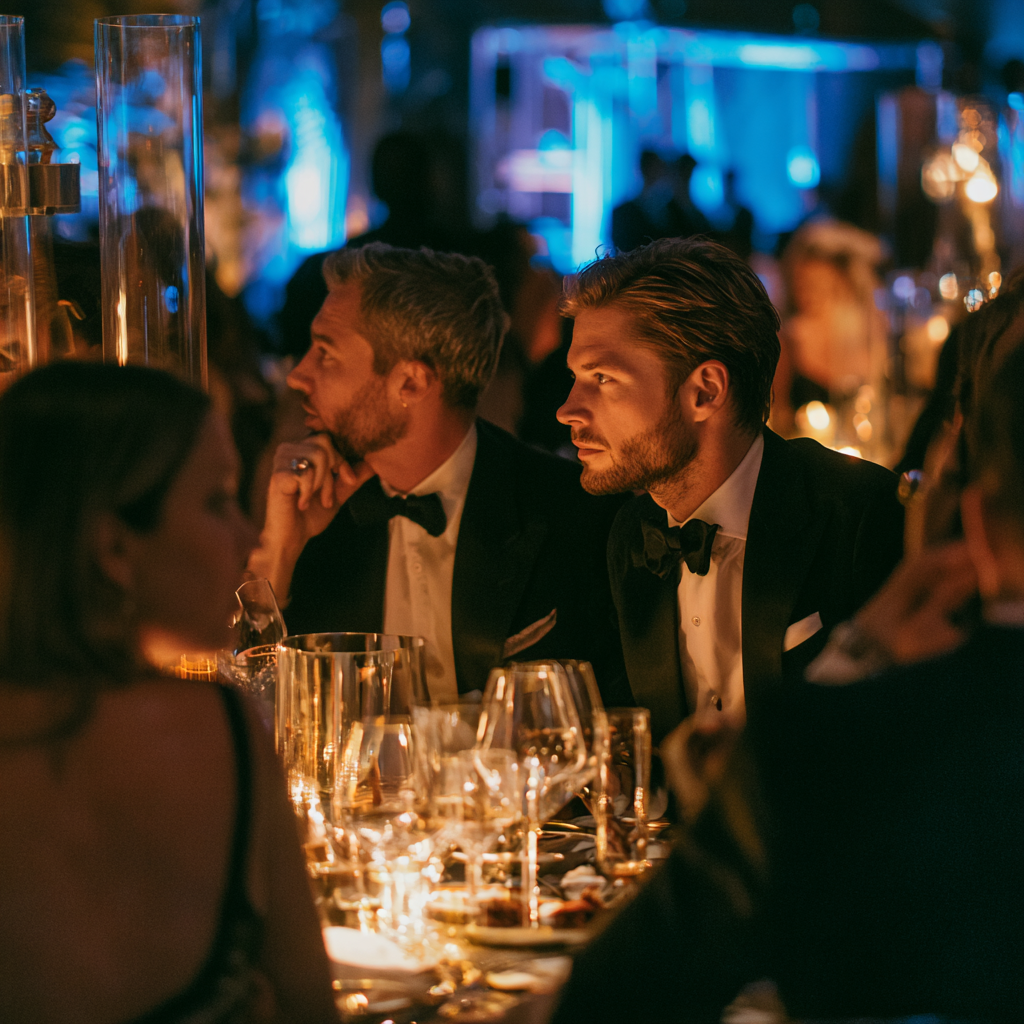
Event photography is often underestimated because it unfolds in real time and appears to depend mainly on fast reflexes. In reality, strong event photography is built on far more than speed. It requires anticipation, situational awareness, technical reliability, social intelligence, and a clear sense of visual storytelling. The photographer must not only record what happened. They must translate the energy, tone, and structure of the event into images that feel alive.
Every event has its own rhythm. A fashion launch, an awards evening, a conference, a private dinner, or an exhibition opening all involve different visual priorities. Some demand elegant portraits and atmosphere. Others require stronger reportage instincts and the ability to work almost invisibly. The photographer must quickly understand the hierarchy of moments: arrivals, speeches, interactions, reactions, details, ambiance, and closing scenes. This internal map helps shape the final narrative.
The strongest event photographs are not only about the obvious highlights. They also depend on small details that reveal the quality of the experience. A hand placing a glass on a table, a beam of light across a room, a guest laughing off to the side, florals catching the light, a musician preparing backstage, a conversation happening in the margin of a larger scene. These quieter images create depth and rhythm in the final edit.
Discretion is essential. The photographer must be present enough to capture genuine moments, but never so intrusive that the atmosphere changes because of the camera. This balance is part technical and part human. Confidence helps, but so does elegance of behavior. Great event photographers understand movement, timing, and positioning. They know where to stand before a key moment begins.
Light conditions can shift constantly, which makes technical control crucial. Events rarely happen in ideal photographic conditions. They take place in dim rooms, mixed lighting, reflective surfaces, moving crowds, and compressed schedules. Strong preparation and familiarity with equipment allow the photographer to remain fluid under pressure.
In the end, event photography is not just proof of attendance. It is visual interpretation. It transforms a live, fleeting experience into a refined narrative that can be remembered, shared, and valued. When it is done well, it preserves not only what happened, but how it felt.
Comment ça marche
De l’inscription à l’évaluation du jury, découvrez le parcours créatif qui se cache derrière votre participation à AVA.
Choisissez votre pack
Sélectionnez le pack de participation qui correspond à vos objectifs. AVA propose trois packs uniques : Spotlight, Signature et Prestige.
Créez votre compte
Créez votre compte AVA et accédez à votre espace membre personnel pour gérer votre profil et vos soumissions.
Paiement sécurisé
Votre paiement est traité via un système sécurisé. Une fois confirmé, vos crédits de soumission sont automatiquement ajoutés à votre compte.
Téléchargez vos photos
Soumettez vos images en fonction de vos crédits disponibles et assurez-vous que vos fichiers respectent les règles du concours AVA.
Évaluation du jury
Les œuvres finalistes sont examinées anonymement par le jury d’AVA et évaluées selon leur vision artistique, leur créativité, leur impact et leur qualité technique.
Results & Notification
Les artistes sélectionnés et les lauréats sont contactés conformément au calendrier officiel du concours et peuvent recevoir une reconnaissance, une publication ainsi qu’une communication liée aux prix.

Comments are closed.