
La meilleure focale
La meilleure focale
L’art de choisir la meilleure distance focale en photographie
En photographie, le choix de la focale est bien plus qu’un détail technique : c’est une décision créative qui façonne la manière de raconter une histoire. Des portraits intimes aux vastes paysages, la focale détermine la perspective, la profondeur et l’impact émotionnel. Comprendre comment choisir la meilleure focale est donc essentiel pour tout photographe souhaitant affiner son langage visuel.
Understanding Focal Length
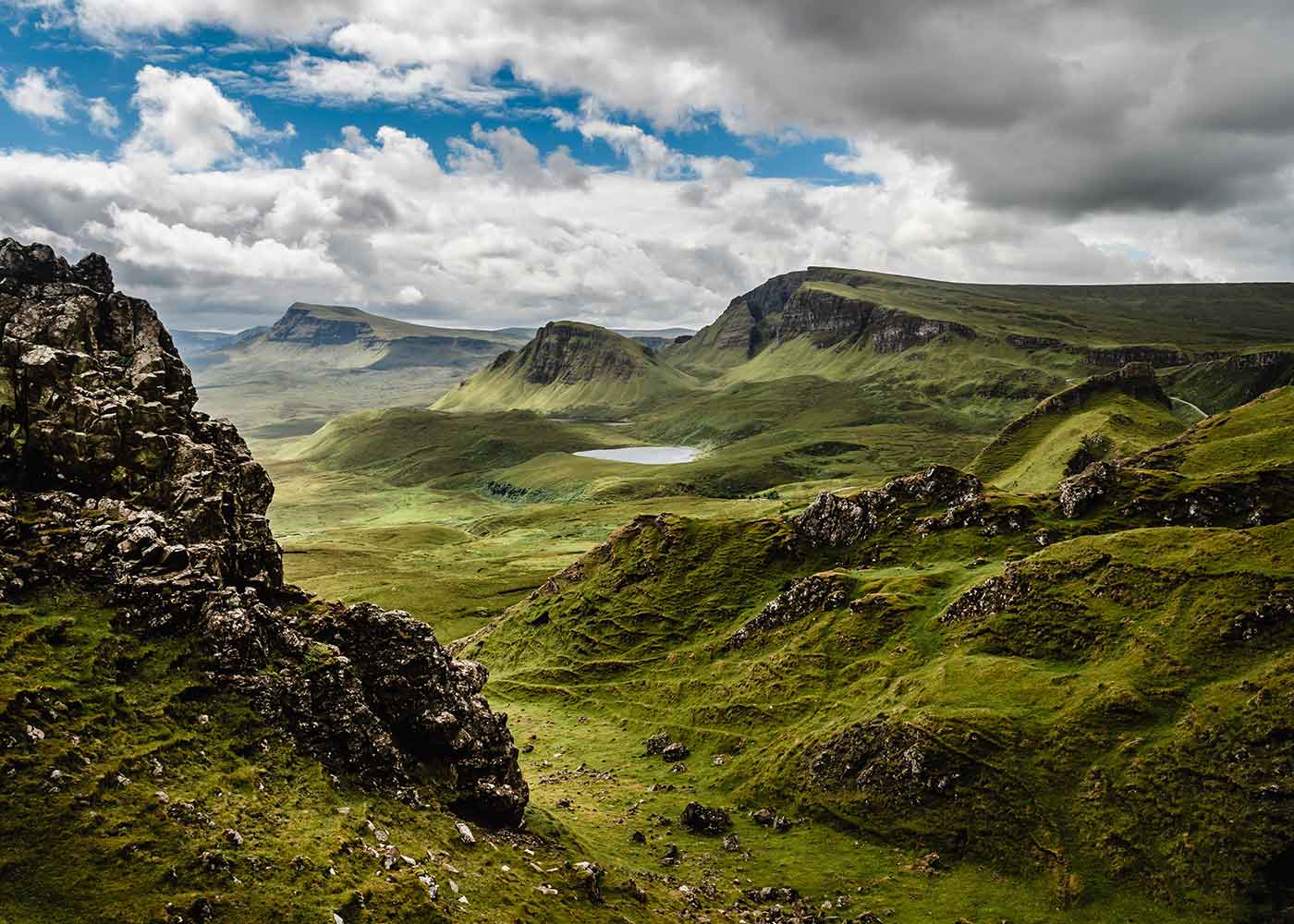
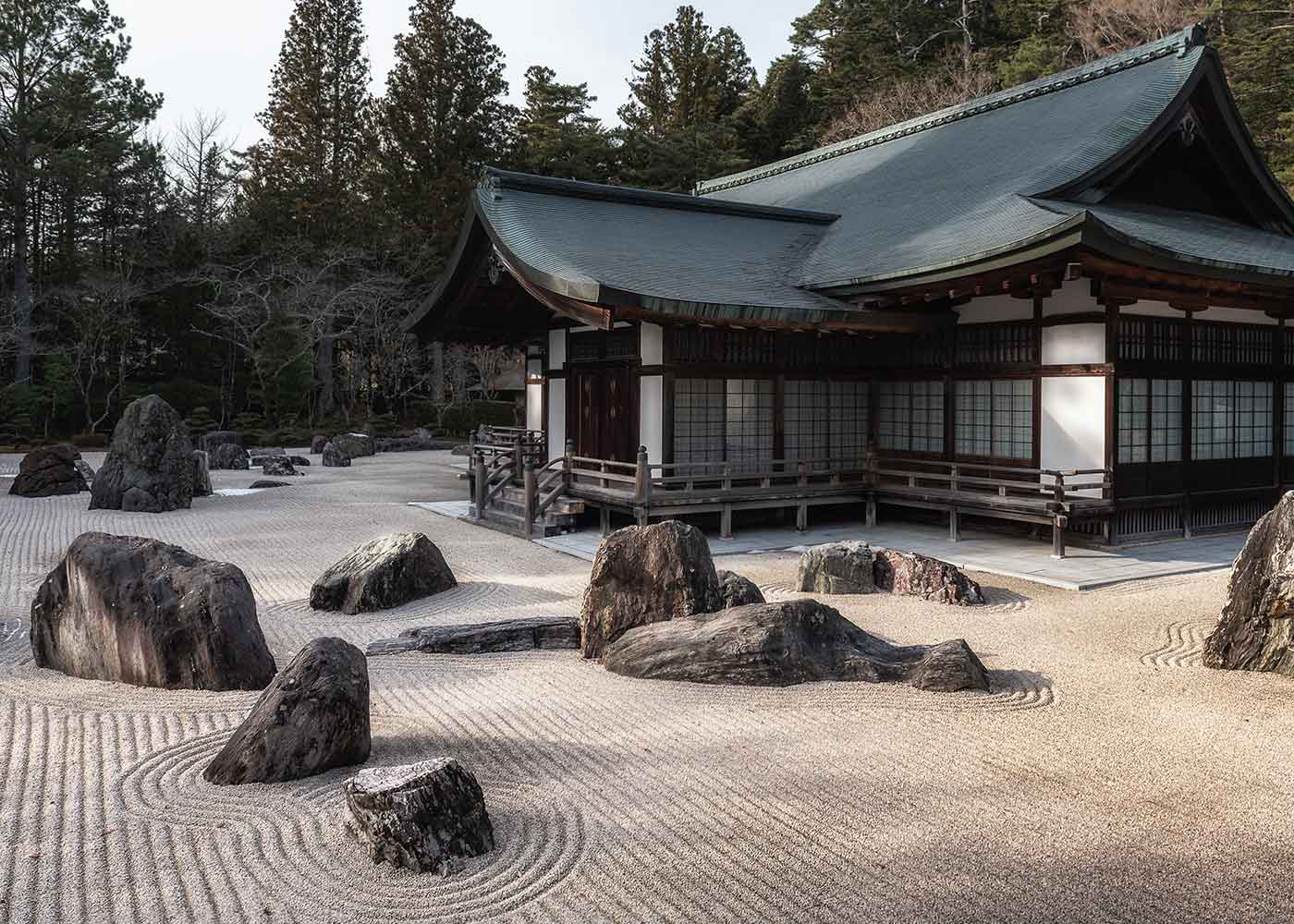
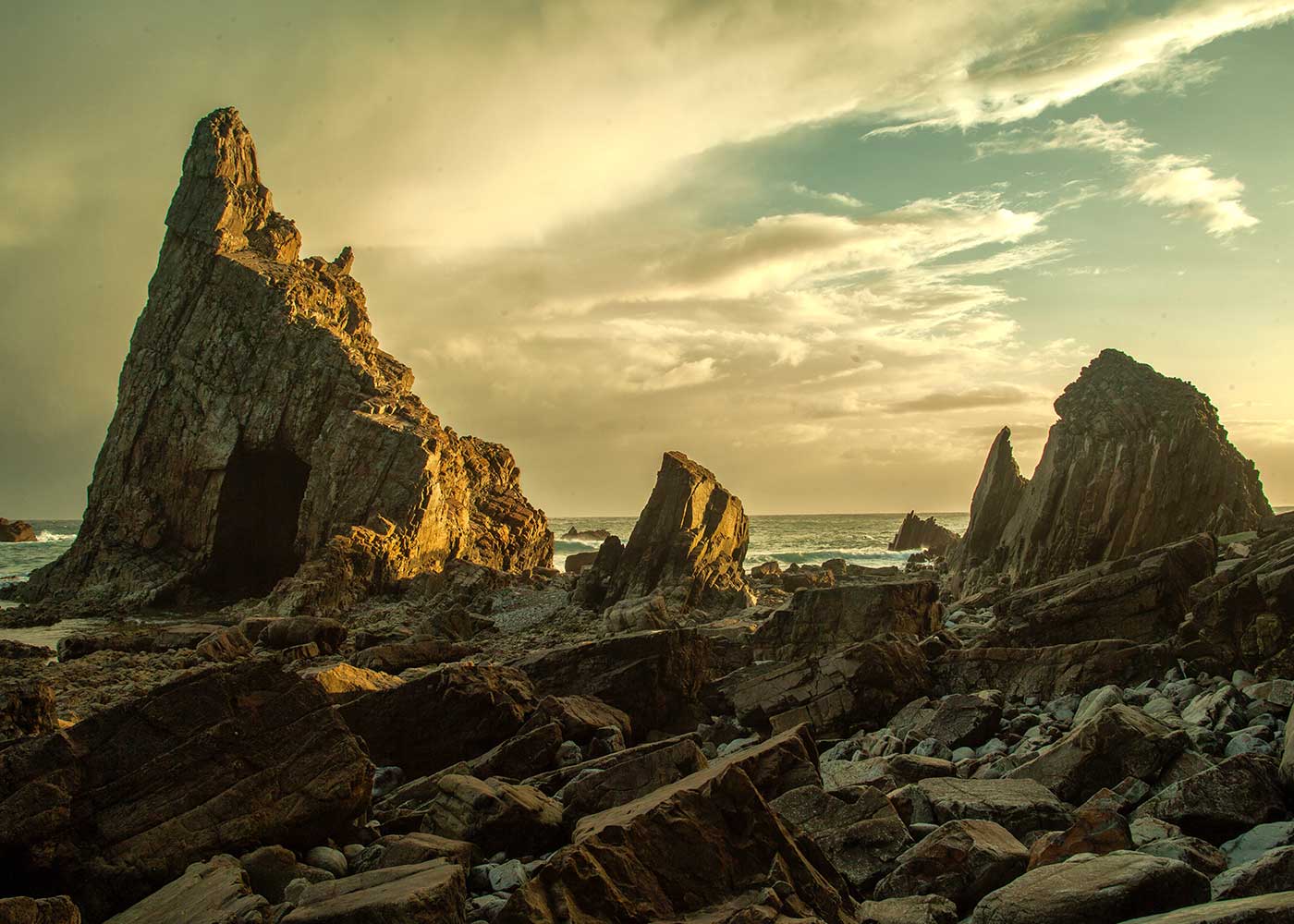
Focal length, measured in millimeters, defines how much of a scene the camera captures and how subjects appear in relation to their surroundings. A wide focal length such as 24mm expands the field of view and exaggerates perspective, while a longer focal length such as 85mm or 135mm compresses space and isolates the subject.
Chaque plage focale possède son propre caractère esthétique. Les grands-angles immergent le spectateur dans l’environnement, les focales standard reproduisent une perspective naturelle proche de la vision humaine et les téléobjectifs créent un sentiment d’intimité en rapprochant les sujets éloignés.
The Power of the 50mm
Often referred to as the “nifty fifty”, the 50mm lens remains one of the most versatile focal lengths in photography. Its balanced perspective allows photographers to capture scenes that feel both realistic and visually engaging. Whether used for street photography, editorial portraits, or documentary work, the 50mm lens offers a subtle and timeless aesthetic.
De nombreux photographes apprécient sa capacité à conserver des proportions naturelles sans la déformation parfois associée aux objectifs plus larges.
Portrait Perfection with 85mm
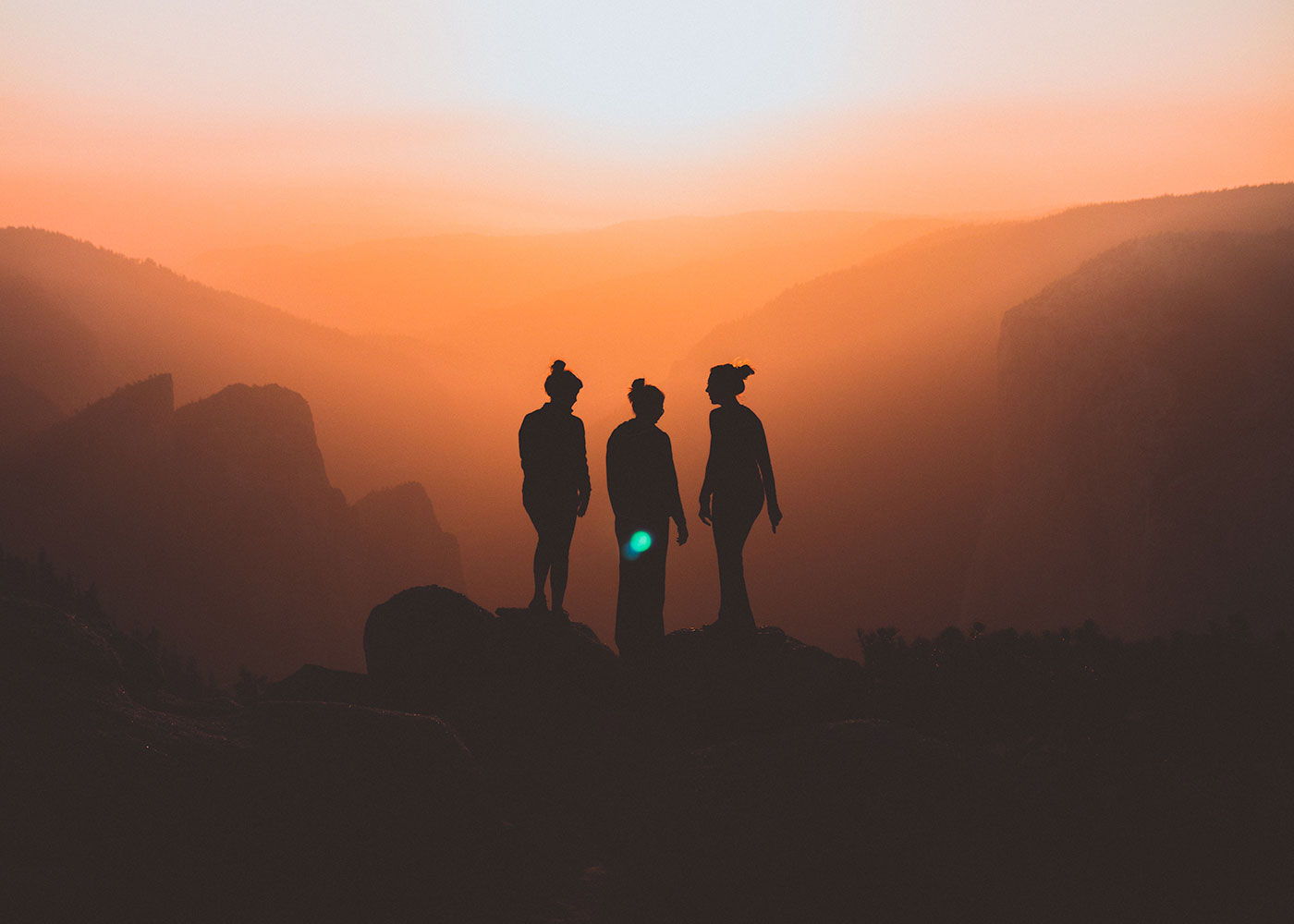
When it comes to portraiture, the 85mm focal length is widely considered a benchmark. Its slight compression flatters facial features and produces a pleasing background separation. Combined with a wide aperture, this focal length allows photographers to create portraits with beautifully soft backgrounds while keeping the subject crisp and expressive.
Pour la mode, l’éditorial et le portrait Fine Art, le 85 mm offre une signature visuelle raffinée qui en a fait l’un des objectifs préférés des professionnels.
Wide Perspectives for Storytelling
On the other end of the spectrum, wide lenses such as 24mm or 35mm are powerful storytelling tools. They allow photographers to include more context and environment, making them ideal for travel photography, documentary work, and environmental portraits.
Utilisées avec réflexion, les focales larges peuvent immerger le spectateur dans la scène et créer un fort sentiment de lieu.

Finding Your Signature Perspective
En définitive, la meilleure focale n’est pas définie par des règles, mais par l’intention créative. Chaque photographe développe progressivement ses préférences selon les histoires qu’il souhaite raconter et les émotions qu’il veut susciter.
L’expérimentation reste la clé. En explorant différentes focales et en observant leur influence sur la perspective, la composition et l’atmosphère, les photographes peuvent découvrir le langage visuel qui représente le mieux leur vision artistique.
Au fond, la meilleure focale est simplement celle qui permet au photographe de transformer un instant en une image porteuse de sens.


Comments are closed.